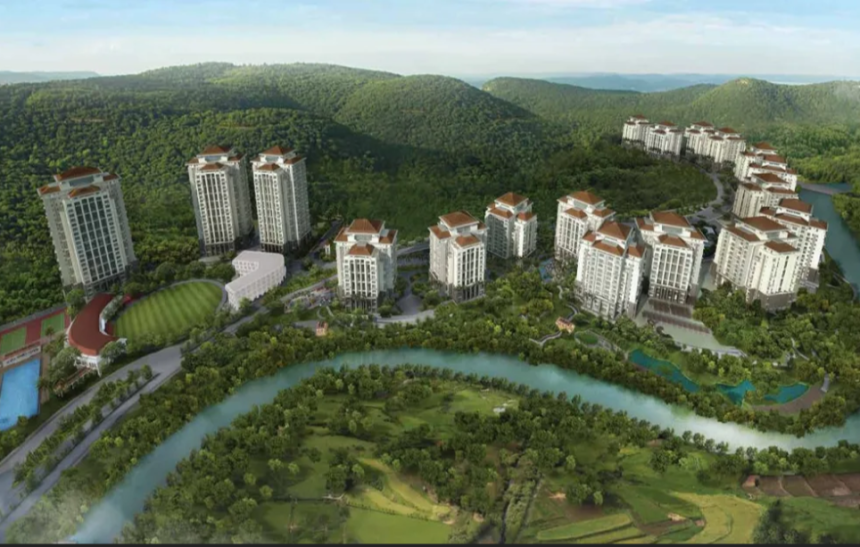
Bangalore Real Estate Predictions for 2030
Bangalore’s real estate market has been one of India’s most dynamic over the past decade, driven by its role as a global tech hub, continuous migration, and rapid infrastructure expansion. As we look ahead to 2030, several trends are emerging that will shape how the city’s property landscape evolves — from price growth and demand patterns to new living preferences and long‑term opportunities. Here’s a comprehensive look at what experts and market data suggest for Bangalore’s real estate by the end of the decade.
1. Continued Price Appreciation Across Most Corridors
Residential property values in Bangalore are expected to continue rising through 2030, although the rate will vary by location. Forecasts project overall price growth in the range of 40%–70% over the decade, supported by strong demand and infrastructure developments. Premium and tech‑oriented zones such as Whitefield, Indiranagar, and Hebbal are likely to witness above‑average appreciation, while emerging corridors like Devanahalli and Hennur offer relatively higher future upside from a lower base.
What this means:
- Prime areas could command premium pricing increases
- Emerging growth corridors may outperform overall averages
- Average city‑wide annual growth rates might hover around 7–10% per year until 2030
2. Infrastructure Will Be a Major Price Driver
One of the key fundamentals shaping Bangalore’s real estate through 2030 is infrastructure expansion — especially metro lines, ring roads, expressways, and orbital transit links. These projects are expected to reduce commute times, unlock new residential districts, and elevate peripheral zones closer to “urban‑ready” status.
Key trends to watch:
- Metro expansion connecting suburbs to core job hubs
- Completion of the Peripheral Ring Road and satellite rail projects
- Better airport and city‑wide connectivity improving accessibility
Properties within 1–3 kilometers of new transit stations will likely see faster growth as commuting becomes easier and more reliable.
3. Demand Will Remain Strong Across Segments
Bangalore’s population is projected to continue growing — potentially crossing 15 million by 2030 — sustained by internal migration, job creation, and urbanisation. This growth underpins long‑term housing demand across multiple segments: from entry‑level homes and co‑living spaces to premium luxury residences.
Segment outlook:
- Affordable and mid‑segment housing: Continues to see high absorption due to young professionals and families
- Luxury and premium homes: Steady demand from high‑net‑worth buyers and NRIs
- Rental and shared living solutions: Growing demand in tech corridors and educational hubs
4. Smart and Sustainable Living Becomes Standard
By 2030, smart technology and sustainable features will no longer be optional — they will be expected. Properties with smart energy systems, automated security, efficient waste management, and eco‑friendly construction are likely to outperform conventional buildings in both resale and rental markets.
5. Rental Market and Yields
Rental demand will remain strong — especially in IT corridors and well‑connected suburbs — with rental growth projected in the 8–12% range annually by some estimates. Areas close to employment hubs and transit lines will continue to attract long‑term tenants, including professionals and students.
Rental fundamentals in 2030:
- Stable demand near major tech and business districts
- Premium rental rates in central locations
- Emerging corridors offering better yields for investors
6. Commercial and Flexible Office Space Growth
Hybrid work models and the need for versatile work environments are shaping Bangalore’s commercial real estate. By 2030, flexible office spaces and coworking hubs are expected to complement traditional office stock, reflecting evolving corporate needs. Quality commercial properties in major business districts will continue to attract long‑term institutional interest.
7. Affordable Housing and Policy Support
Affordable housing will remain crucial as demand outpaces supply for budget‑friendly homes. Government support schemes and policy incentives are likely to encourage developers to deliver more quality affordable projects, helping bridge the supply‑demand gap and keeping a broad segment of the market active through 2030.
8. Challenges and Risks to Navigate
Despite the long‑term optimism, the market isn’t without challenges:
- Affordability pressures: Rising prices may outpace income growth for some buyers
- Infrastructure delays: Large projects like the Peripheral Ring Road have faced slowdowns in the past, which can influence incremental price gains
- Environmental and resource constraints: Urban livability issues such as water access and congestion remain ongoing concerns
These factors suggest that growth will be selective and location‑specific rather than uniform across the city.
For More New Residential and Commercial Project, Visit Bharatpropertty.com