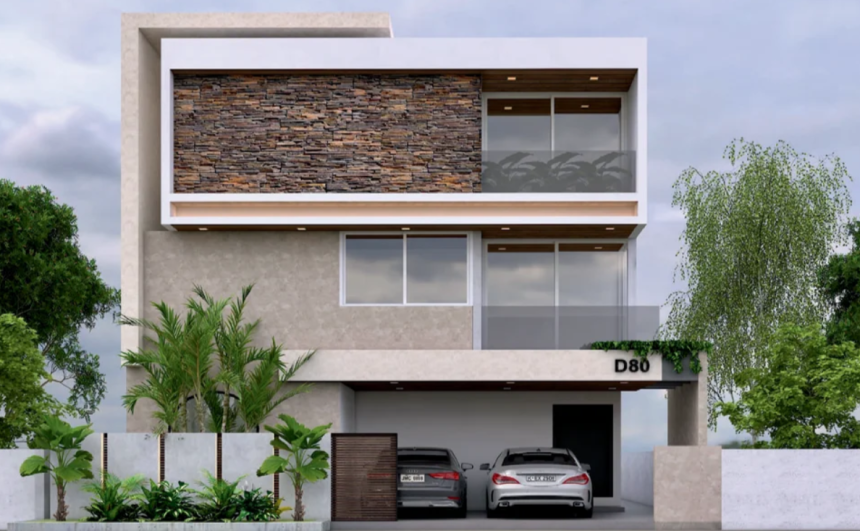
Build-to-Rent Communities: The Future of Housing?
As housing affordability challenges persist and lifestyle preferences evolve, a new real estate model is gaining serious momentum: Build-to-Rent (BTR) communities. Once considered a niche investment strategy, Build-to-Rent has rapidly expanded across suburban and high-growth markets. In 2026, many industry experts are asking: Is Build-to-Rent the future of housing? Let’s explore what BTR is, why it’s growing, and what it means for renters, investors, and communities.
What Are Build-to-Rent Communities?
Build-to-Rent communities are purpose-built residential developments designed specifically for long-term renters rather than homeowners.
Unlike traditional apartment complexes, BTR developments typically include:
- Single-family homes or townhomes
- Private yards and garages
- Community amenities (pools, parks, clubhouses, fitness centers)
- Professional property management
- Flexible lease options
In simple terms, they combine the space and privacy of a house with the convenience of rental living.
Why Build-to-Rent Is Growing
1. Affordability PressuresRising home prices and mortgage rates have made homeownership less accessible for many households. Down payments, closing costs, and financing hurdles create barriers — even for middle-income earners.
Build-to-Rent offers an alternative:
- No large down payment
- No maintenance responsibility
- More predictable monthly costs
For many families, it provides the lifestyle of homeownership without the financial strain.
Today’s workforce is more mobile than ever. Remote work, job transitions, and economic uncertainty have shifted preferences toward flexibility.
Renting in a BTR community allows residents to:
- Relocate more easily
- Avoid long-term mortgage commitments
- Test neighborhoods before buying
- Upgrade or downsize without selling property
Flexibility is increasingly valuable — particularly among younger professionals and relocating families.
After years of urban apartment dominance, demand for suburban housing with more space has surged. However, not everyone wants — or can afford — to buy.
Build-to-Rent fills this gap by offering:
- Detached homes
- Outdoor space
- Family-friendly neighborhoods
- Community amenities
This model appeals especially to millennials forming families and Gen Z renters entering higher income brackets.
Institutional investors and large real estate firms have increasingly entered the single-family rental market.
Why?
- Steady rental income
- Lower turnover compared to apartments
- Strong demand from families
- Portfolio diversification
- Inflation hedge characteristics
Build-to-Rent communities provide scale and operational efficiency that scattered single-family rentals cannot.
How BTR Is Impacting Housing Markets
Positive Effects✔ Expands rental housing supply
✔ Offers high-quality housing options
✔ Provides new development activity in growing regions
✔ Creates professionally managed communities
Concerns and CriticismHowever, critics raise concerns that:
- BTR developments may compete with for-sale housing supply
- Large investors could influence local market pricing
- Homeownership rates may decline if renting becomes more dominant
The impact often depends on local regulations, zoning, and housing supply levels.
Who Is Renting in BTR Communities?
The typical Build-to-Rent resident in 2026 includes:
- Young families not yet ready to buy
- Relocating professionals
- Divorced or transitional households
- Remote workers seeking suburban space
- Retirees downsizing but not purchasing
Importantly, many residents have the income to buy — but prefer flexibility.
What the Future May Hold
Looking ahead, we may see:
- More mixed-use BTR developments
- Smart-home integration as a standard feature
- Eco-friendly construction
- Expansion into secondary and tertiary cities
- Greater public-private partnerships to address housing shortages
If affordability challenges persist and mobility remains high, Build-to-Rent is likely to expand further.