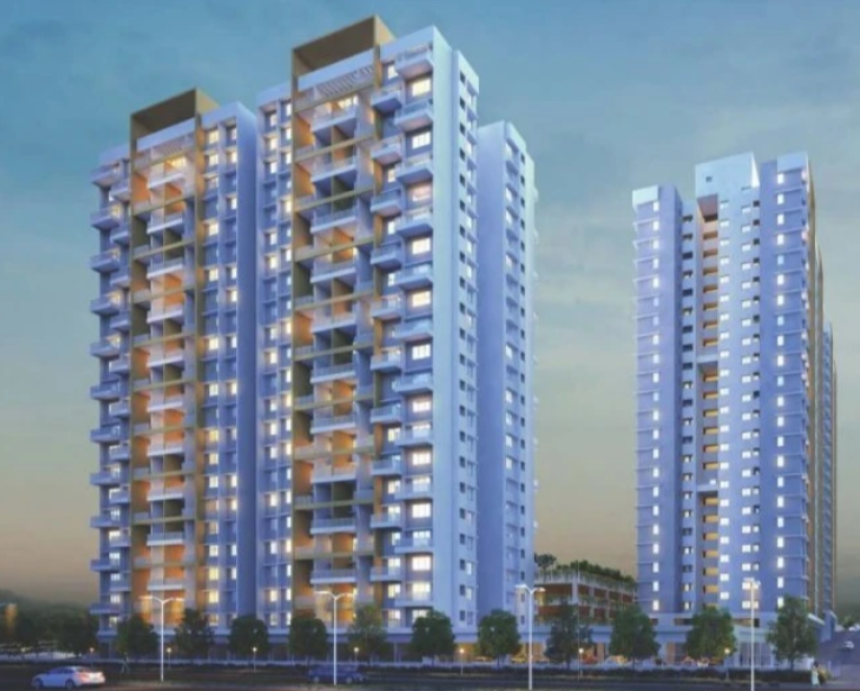
Eco-Friendly Home Features Buyers Prioritize in 2026
Sustainability and cost savings are driving one of the biggest shifts in real estate: energy-efficient homes. In 2026, buyers, investors, and developers are paying close attention to homes that reduce energy consumption, lower utility bills, and minimize environmental impact — all while offering attractive returns on investment.
🌱 What Are Energy-Efficient Homes?
Energy-efficient homes are designed to use less energy for heating, cooling, lighting, and appliances without compromising comfort. Key features include:
- Solar panels and renewable energy systems
- Energy-efficient lighting, windows, and insulation
- Smart thermostats and automated energy controls
- High-performance HVAC systems
- Water-saving fixtures and rainwater harvesting
These homes combine modern technology, sustainable materials, and smart design to reduce carbon footprints and operating costs.
🏡 Current Trends in Energy-Efficient Homes
1. Solar IntegrationSolar panels are increasingly standard in premium and mid-range residential projects. They not only reduce electricity bills but also enhance the property’s market appeal.
2. Smart Home TechnologyIoT devices and AI-driven energy management systems help homeowners monitor and reduce energy consumption automatically. Smart lighting, climate control, and appliance management are becoming essential features.
3. Green Building CertificationsDevelopers are seeking certifications such as LEED, IGBC, or BEE ratings, which signal energy efficiency and environmental compliance. Certified properties often command a price premium.
4. Passive Design ElementsArchitects are focusing on natural lighting, ventilation, thermal insulation, and strategic orientation of homes to maximize energy savings without relying on mechanical systems.
5. Water & Waste EfficiencyEnergy efficiency is complemented by water-saving measures, recycling systems, and sustainable landscaping, appealing to environmentally conscious buyers.
💰 ROI and Investment Potential
Energy-efficient homes offer tangible returns for both homeowners and investors:
1. Lower Utility BillsReduced electricity and water consumption translate to immediate monthly savings. Over time, these savings can offset higher initial investment costs.
2. Higher Resale ValueProperties with energy-efficient features often sell faster and at a premium compared to conventional homes. Buyers increasingly value long-term savings and sustainability.
3. Tax Incentives & RebatesMany regions offer government rebates, tax benefits, or subsidies for energy-efficient construction and renewable energy adoption, improving ROI.
4. Attractive to RentersRental properties with lower operating costs and green features are highly attractive to tenants, leading to higher occupancy rates and rental income.
📍 Popular Cities and Projects in India
Energy-efficient housing is gaining traction across major urban hubs:
- Bengaluru: Smart apartments and eco-friendly villas in gated communities
- Mumbai & Navi Mumbai: Solar-enabled apartments and rooftop gardens in premium complexes
- Hyderabad & Pune: Green-certified townships with renewable energy integration
- Delhi-NCR: Sustainable high-rise projects and energy-efficient residential clusters
🔑 Key Takeaways
- Energy-efficient homes combine cost savings, sustainability, and comfort.
- Buyers increasingly prefer properties that reduce monthly expenses and support eco-conscious living.
- Developers benefit from higher resale values, faster sales, and market differentiation.
- Energy-efficient features are long-term investments that yield financial and environmental returns.



M2K Symphony Floors Sector 51 – Premium 2 & 3 BHK Low Rise Homes in Gu...