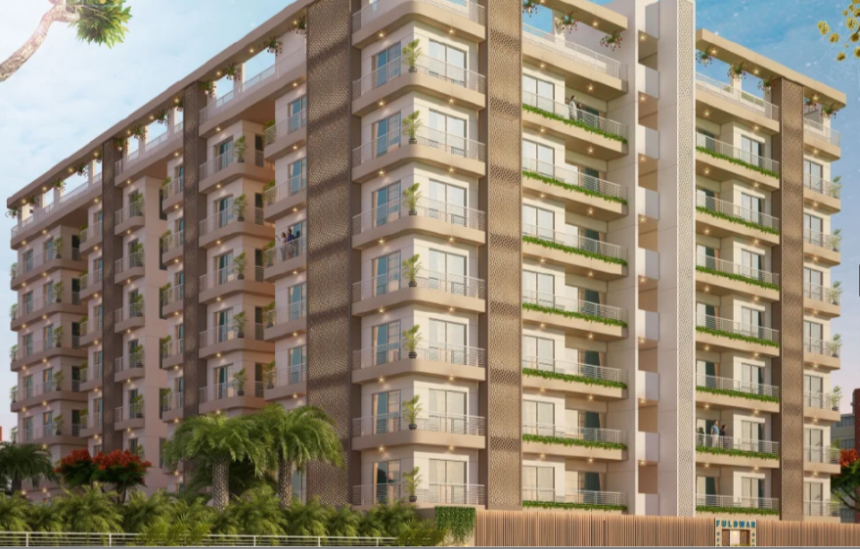
Flat vs House: Understanding Your Best Living Option
Choosing between a flat and a house is one of the most important decisions when buying a property. Both options offer unique benefits and challenges, depending on your lifestyle, budget, family size, and long-term goals. Whether you are planning to buy in a growing city like Ahmedabad, a metro such as Mumbai, or an expanding IT hub like Bengaluru, understanding the differences can help you make the right choice.
What Is a Flat?
A flat (also known as an apartment) is a residential unit within a larger building. Multiple families live in the same structure, sharing common areas like lifts, corridors, parking spaces, and amenities.
Flats are common in urban areas where land is limited and vertical living is more practical.
What Is a House?
A house is an independent property built on its own plot of land. It does not share walls (unless semi-detached) and offers private space, including open areas like gardens, terraces, or courtyards.
Houses are more common in suburban or low-density residential areas.
1. Privacy
Flat:
- Shared walls with neighbors
- Common entrances and facilities
- Less privacy compared to a house
House:
- Independent structure
- No shared walls (in most cases)
- Greater privacy and personal space
Winner: House for privacy.
2. Cost
Flat:
- Generally more affordable
- Lower initial investment
- Suitable for first-time buyers
House:
- Higher purchase cost
- Includes land ownership
- Higher maintenance expenses
Winner: Flat for affordability.
3. Maintenance
Flat:
- Society or association handles common maintenance
- Monthly maintenance charges apply
- Less personal responsibility
House:
- Owner is fully responsible for repairs and upkeep
- Maintenance costs can vary
Winner: Flat for convenience.
4. Amenities
Flat:
- Access to amenities like gym, pool, clubhouse, security, and parking
- Gated community benefits
House:
- Private amenities possible, but at higher cost
- Usually fewer shared facilities
Winner: Flat for shared amenities.
5. Space & Customization
Flat:
- Limited space
- Structural changes are restricted
House:
- Larger living area
- Freedom to renovate or expand
- Private garden or terrace possible
Winner: House for space and flexibility.
6. Investment Potential
Flat:
- Easier to rent
- Good demand in city centers
- Moderate appreciation
House:
- Land value increases over time
- Strong long-term appreciation potential
Winner: House for long-term value.
Who Should Choose a Flat?
- First-time homebuyers
- Small families
- Working professionals
- People who prefer low maintenance
- Buyers with limited budgets
Who Should Choose a House?
- Large or joint families
- Buyers seeking privacy
- Long-term investors
- Those who want land ownership
- People who value outdoor space






Godrej Summit – Premium 2 & 3 BHK Homes for Contemporary Families in G...