Future Housing Trends in Gujarat
Gujarat’s real estate market is evolving rapidly as urbanization, infrastructure development, and changing lifestyle preferences reshape the housing sector. With growing cities, expanding industries, and rising incomes, the demand for modern, sustainable, and technology-driven homes is increasing across the state. Cities such as Ahmedabad, Surat, Vadodara, Rajkot, and Gandhinagar are expected to experience major changes in housing patterns over the coming years. These emerging trends are influencing how residential projects are designed, developed, and marketed.
Growth of Affordable Housing
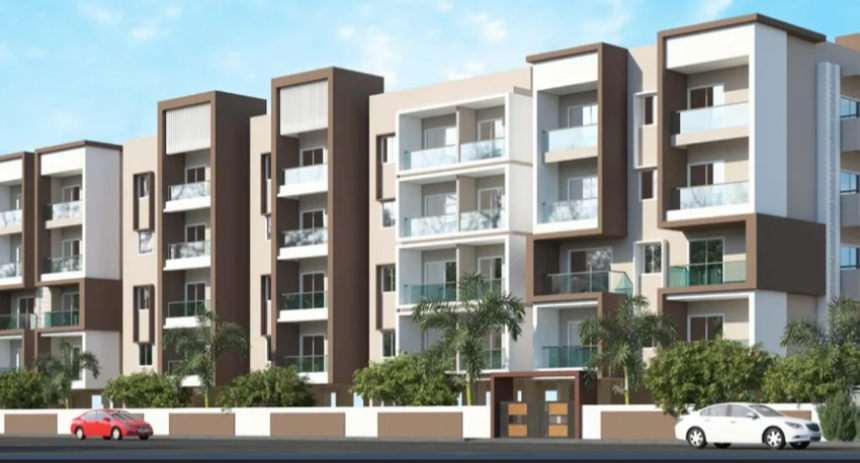
Affordable housing continues to be one of the most important trends in Gujarat’s real estate sector. Many middle-income families are looking for budget-friendly homes that offer basic amenities and good connectivity.
Government initiatives and housing schemes have encouraged developers to launch affordable housing projects in suburban and developing areas. Locations on the outskirts of major cities are becoming popular because they offer lower property prices and better growth potential.
Rise of Luxury and Premium Housing
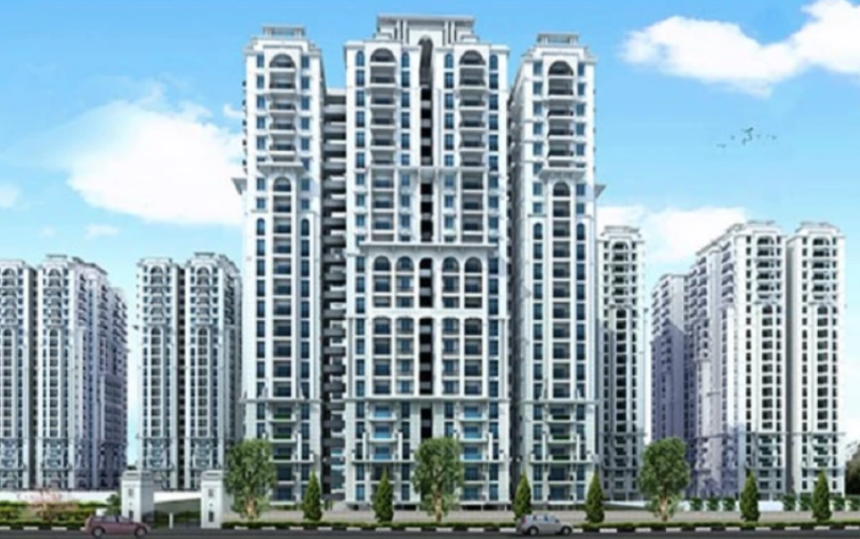
While affordable housing remains important, there is also a growing demand for luxury properties in Gujarat. Rising disposable incomes and lifestyle aspirations are encouraging buyers to invest in premium apartments, villas, and high-end gated communities.
Luxury residential projects now offer features such as private elevators, clubhouses, concierge services, and advanced security systems. Premium housing demand is increasing particularly in cities like Ahmedabad and Surat.
Integrated Townships and Mixed-Use Developments
Large integrated townships are becoming increasingly popular in Gujarat. These developments combine residential housing, office spaces, retail areas, schools, and recreational facilities within a single planned community.
Integrated townships provide convenience, better infrastructure, and a community-oriented lifestyle. Buyers prefer these developments because they offer everything from shopping to entertainment within walking distance.
Developers are focusing on creating self-sufficient neighborhoods that provide modern living environments.
Sustainable and Green Housing
Environmental awareness is increasing among homebuyers, leading to a growing demand for eco-friendly housing projects. Sustainable buildings focus on reducing energy consumption and promoting environmentally responsible construction.
Green housing features commonly include:
- Solar power systems
- Rainwater harvesting
- Water recycling plants
- Energy-efficient lighting
- Green landscaping
Developers in Gujarat are adopting green building certifications and eco-friendly construction methods to meet the demand for sustainable living.
Smart Homes and Technology Integration
Technology is becoming an essential part of modern housing. Smart home features such as automated lighting, digital locks, energy management systems, and voice-controlled appliances are gaining popularity.
Developers are integrating smart home technology into residential projects to enhance convenience, security, and energy efficiency. Internet-connected devices and smart building management systems are gradually becoming standard features in premium apartments.
Expansion of Suburban and Satellite Cities
Rapid urbanization is pushing housing development toward suburban areas and satellite towns around major cities. Infrastructure projects such as metro systems, highways, and regional transit networks are making these areas more accessible.
For example, improved transport connectivity and planned regional transit systems around Ahmedabad are expected to strengthen housing demand in nearby towns and suburbs.
Suburban locations often offer larger homes, better living environments, and more affordable property prices compared to city centers.
Increasing NRI Investment
Non-resident Gujaratis (NRIs) have always shown strong interest in property investments in the state. With improved digital platforms and transparent regulations, investing in Indian real estate has become easier for overseas buyers.
Many NRIs prefer investing in premium apartments and commercial properties in major cities due to their long-term appreciation potential.
Rising Demand for Rental Housing
As cities grow and more professionals relocate for work, the demand for rental housing is also increasing. Students, working professionals, and migrants often prefer renting apartments close to workplaces or educational institutions.
This growing rental market is encouraging investors to purchase residential properties for rental income. Cities with strong industrial and educational hubs are especially benefiting from this trend.
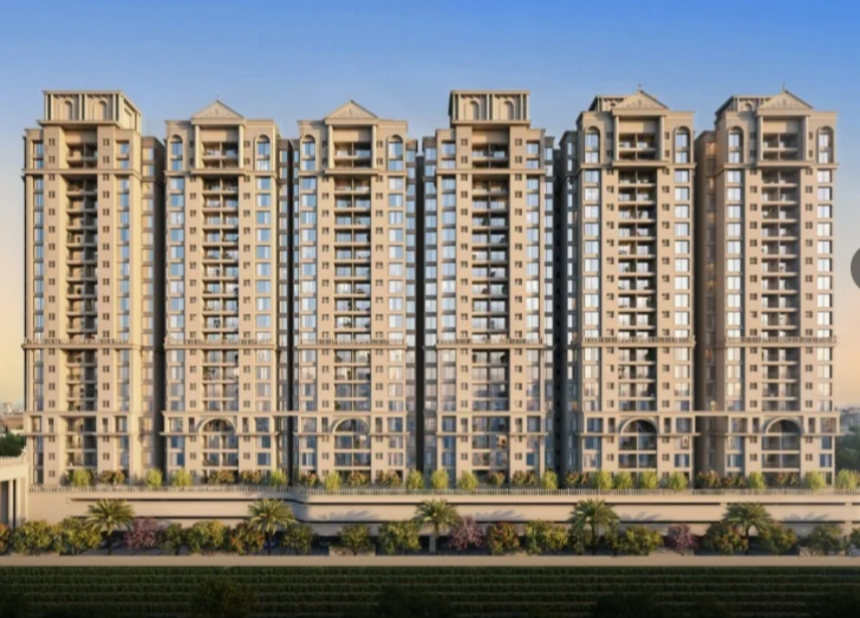


🌳 Mayons Vriksham Grande – Build or Buy Your Dream Home in Coimbatore