Gated Communities vs Standalone Apartments: Which Is the Better Choice?
When purchasing a home, buyers often face the decision between choosing a gated community or a standalone apartment. Both options offer unique advantages and cater to different lifestyles, budgets, and preferences. Understanding the differences between these two housing types can help homebuyers make a well-informed decision that suits their long-term needs.
What Is a Gated Community?
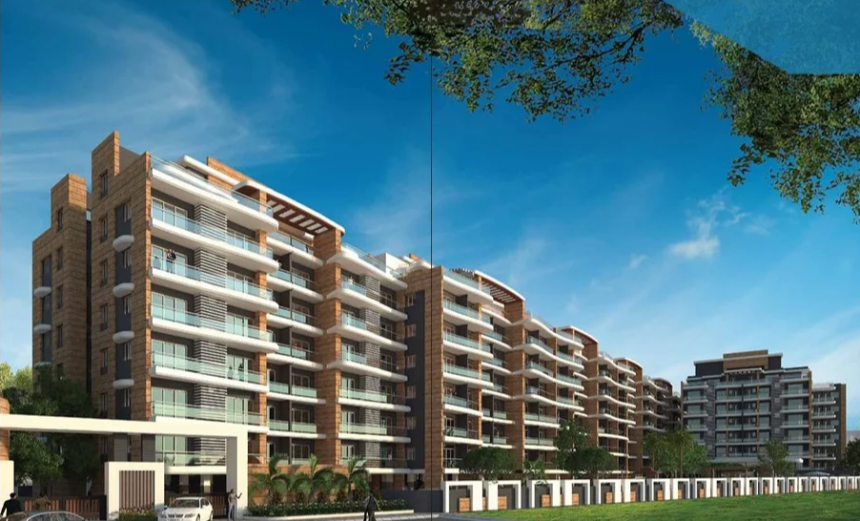
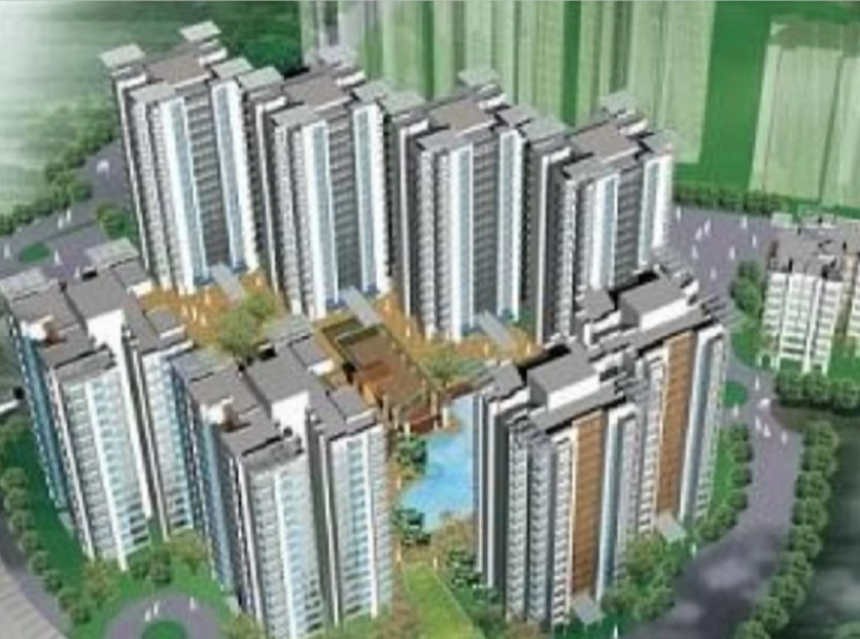
A gated community is a residential complex that is enclosed within secured boundaries and controlled entry points. These developments usually consist of multiple residential towers or villas and provide a wide range of shared amenities.
Gated communities often include facilities such as landscaped gardens, clubhouses, swimming pools, gyms, children's play areas, walking tracks, and dedicated parking spaces. Security is usually enhanced with guards, surveillance cameras, and controlled access systems.
Because of these features, gated communities are popular among families looking for comfort, safety, and a well-organized living environment.
What Is a Standalone Apartment?
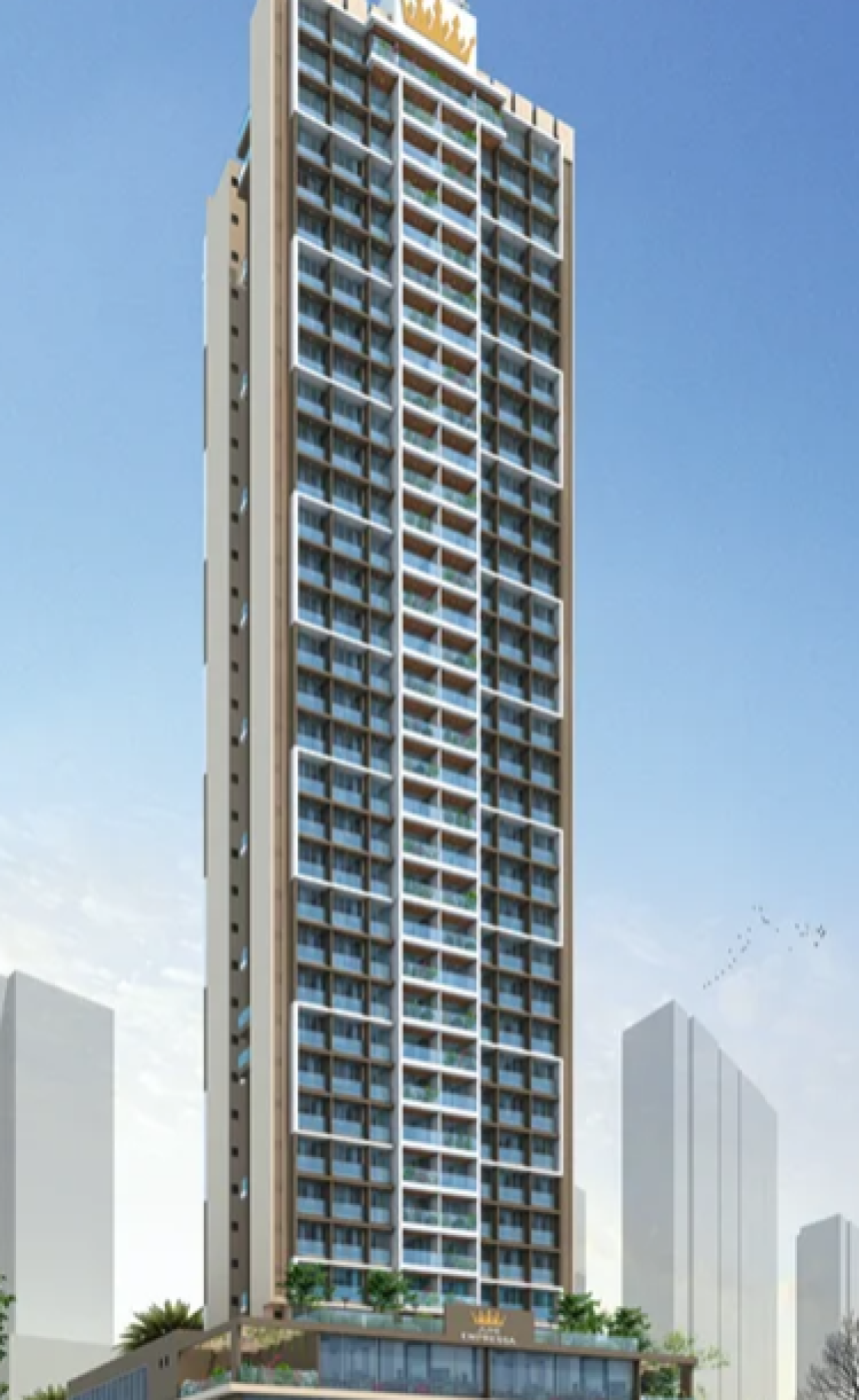
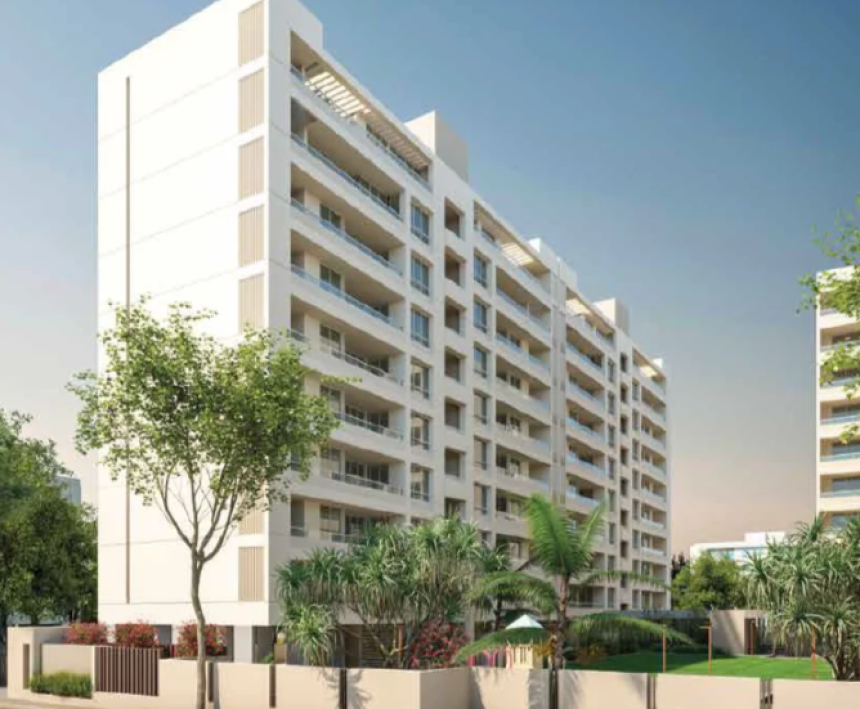
A standalone apartment refers to a residential building that is independently constructed, typically with fewer units and limited shared facilities. These buildings may have basic amenities such as parking and elevators, but they generally do not offer the extensive facilities found in gated communities.
Standalone apartments are often located within established neighborhoods and may provide a more traditional residential experience. They can also offer greater privacy due to the smaller number of residents.
Security and Safety
One of the biggest advantages of gated communities is their enhanced security. With controlled entry points, security guards, and surveillance systems, residents often feel safer living in these developments. This is especially important for families with children and elderly members.
Standalone apartments usually rely on basic security arrangements such as watchmen or intercom systems. While many standalone buildings maintain good security, they may not provide the same level of monitoring as gated communities.
Amenities and Lifestyle
Gated communities offer a lifestyle that includes a variety of modern amenities and recreational facilities. Residents can enjoy sports areas, fitness centers, gardens, and community spaces without leaving the complex. These facilities promote social interaction and provide a convenient lifestyle.
In contrast, standalone apartments usually provide limited amenities. Residents may need to travel outside the building to access gyms, parks, or recreational spaces. For people who prioritize convenience and lifestyle features, gated communities may be more attractive.
Maintenance and Management
Maintenance in gated communities is usually managed by a professional association or facility management team. They handle landscaping, security, waste management, and maintenance of common areas.
Standalone apartments may rely on smaller management committees or individual arrangements among residents. This can sometimes result in less organized maintenance, depending on the cooperation among residents.
Cost Considerations
Gated communities generally have higher property prices because of their amenities, infrastructure, and maintenance services. Residents also pay monthly maintenance charges to support the upkeep of facilities.
Standalone apartments are often more affordable in comparison. They usually have lower purchase costs and smaller maintenance fees, making them attractive for buyers with budget constraints.
Privacy and Space
Standalone apartments often provide a quieter environment due to the smaller number of residents. Some buyers prefer this because it offers a sense of exclusivity and fewer crowds.
Gated communities, while larger and more active, provide community living where residents can interact with neighbors and participate in social activities. For families who enjoy community engagement, this can be a major benefit.
Investment Perspective
From an investment standpoint, gated communities often attract higher demand due to their amenities, security, and lifestyle appeal. This can lead to better resale value and rental demand.
However, standalone apartments in prime locations can also perform well, especially if they are located in well-developed neighborhoods with strong infrastructure and accessibility.