How is Redevelopment Redefining Mumbai’s Urban Identity?
Mumbai, often referred to as the financial capital of India, is one of the most densely populated cities in the world. With limited land availability and a rapidly growing population, the city faces constant challenges related to housing, infrastructure, and urban planning. To address these challenges, redevelopment has emerged as a major solution that is transforming the city’s landscape and redefining its urban identity. Redevelopment in Mumbai involves reconstructing old residential buildings, housing societies, and slum areas into modern, well-planned structures. This process not only improves the living standards of residents but also helps optimize land usage in a city where space is extremely limited.
The Need for Redevelopment in Mumbai
Many residential buildings in Mumbai were constructed several decades ago and have now become structurally weak or outdated. Aging infrastructure, small living spaces, and lack of modern amenities make redevelopment necessary for both safety and comfort.
Additionally, Mumbai’s increasing population has created a strong demand for housing. Redevelopment projects allow developers to rebuild old structures into taller buildings that can accommodate more families while providing improved facilities.
Improving Housing Quality
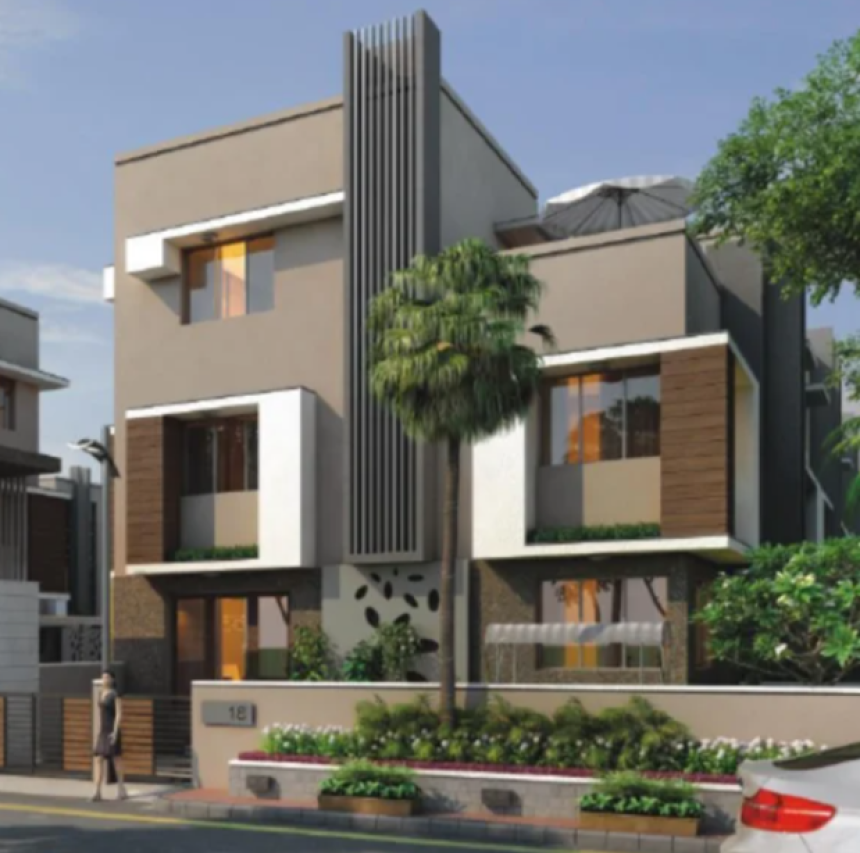
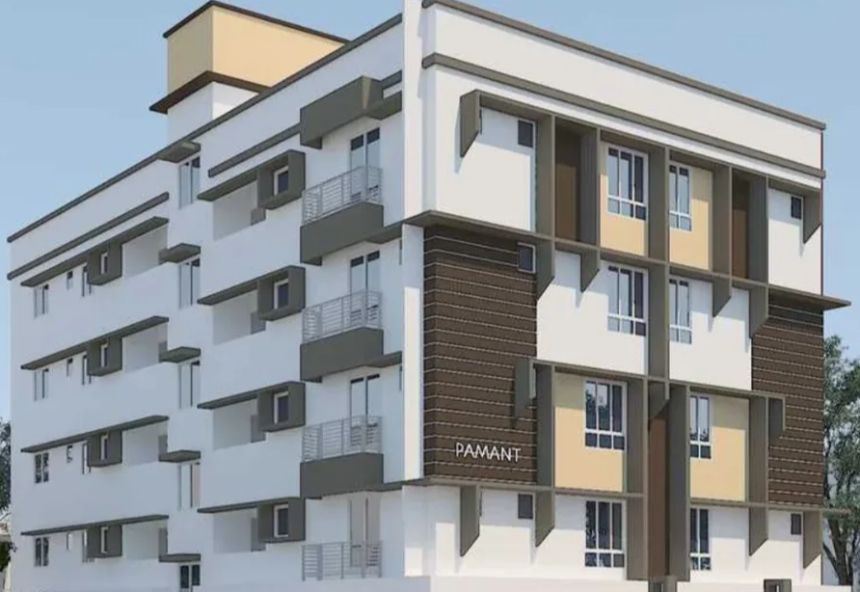
One of the most visible impacts of redevelopment is the improvement in housing quality. Old buildings are replaced with modern apartments that offer better construction standards, larger living spaces, and advanced safety features.
Redeveloped residential complexes often include amenities such as elevators, security systems, parking areas, landscaped gardens, and recreational spaces. These improvements significantly enhance the quality of life for residents.
Better Use of Limited Land
Land scarcity is one of Mumbai’s biggest challenges. Redevelopment projects allow the city to use its limited land more efficiently by constructing high-rise buildings that maximize the available space.
Vertical development helps accommodate more residents within the same land area, making urban planning more sustainable and efficient.
Modern Infrastructure and Facilities
Redevelopment projects often include improvements in infrastructure such as wider roads, better drainage systems, improved water supply, and enhanced electricity networks. These upgrades contribute to creating more organized and well-equipped neighborhoods.
Modern residential complexes also include facilities such as gyms, community halls, children’s play areas, and green spaces, making urban living more comfortable and convenient.
Revitalizing Old Neighborhoods
Many areas in Mumbai consist of old housing societies and outdated structures that no longer meet modern living standards. Redevelopment helps revitalize these neighborhoods by replacing aging buildings with modern developments that enhance the overall appearance and functionality of the area.
This transformation not only benefits residents but also increases the value of the surrounding real estate.
Boosting Economic Growth
Redevelopment projects contribute significantly to the local economy. They generate employment opportunities in construction, architecture, engineering, and related industries.
Additionally, modern residential and commercial spaces attract businesses and investors, further strengthening Mumbai’s economic growth.
Addressing Safety Concerns
Structural safety is a major concern in older buildings across Mumbai. Redevelopment ensures that new structures follow updated building codes and safety standards. This reduces the risk of building collapses and other structural issues.
Improved safety measures provide peace of mind for residents living in redeveloped buildings.
Challenges in Redevelopment
While redevelopment offers many benefits, it also faces certain challenges. These include lengthy approval processes, legal complexities, disagreements among residents, and concerns related to temporary relocation during construction.
Despite these challenges, redevelopment continues to move forward as a key strategy for Mumbai’s urban development.
The Future of Mumbai’s Urban Landscape
Redevelopment is playing a crucial role in shaping the future of Mumbai. As more housing societies and old buildings opt for redevelopment, the city’s skyline is gradually transforming with modern high-rise structures.
Urban planners and developers are also focusing on sustainable design, green buildings, and smart infrastructure to ensure that redevelopment contributes to long-term urban sustainability.
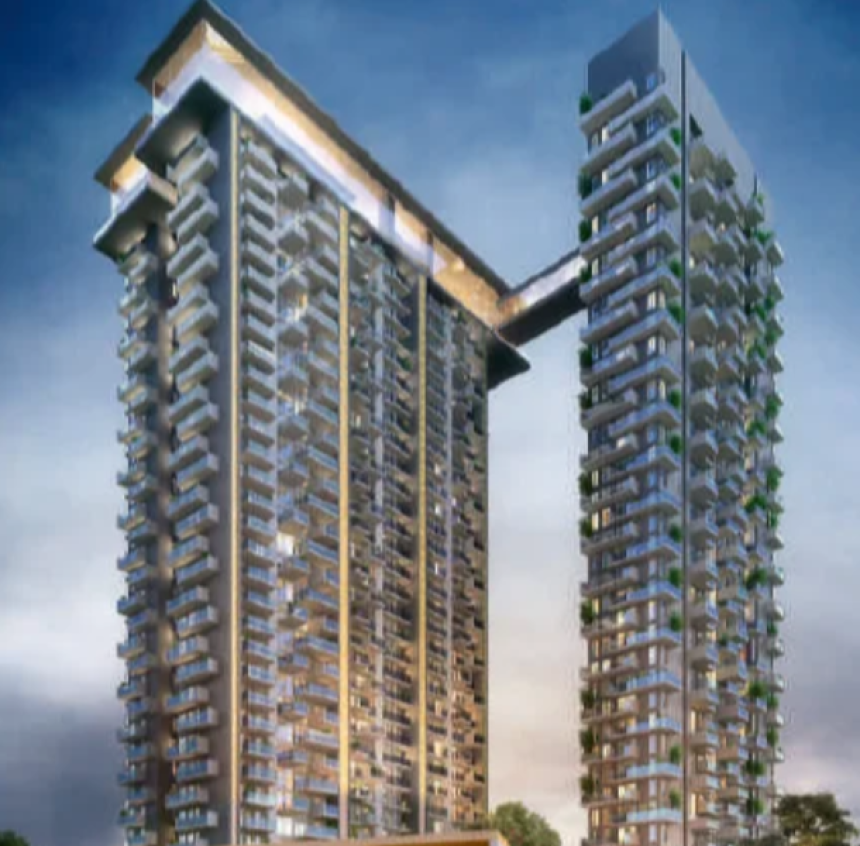

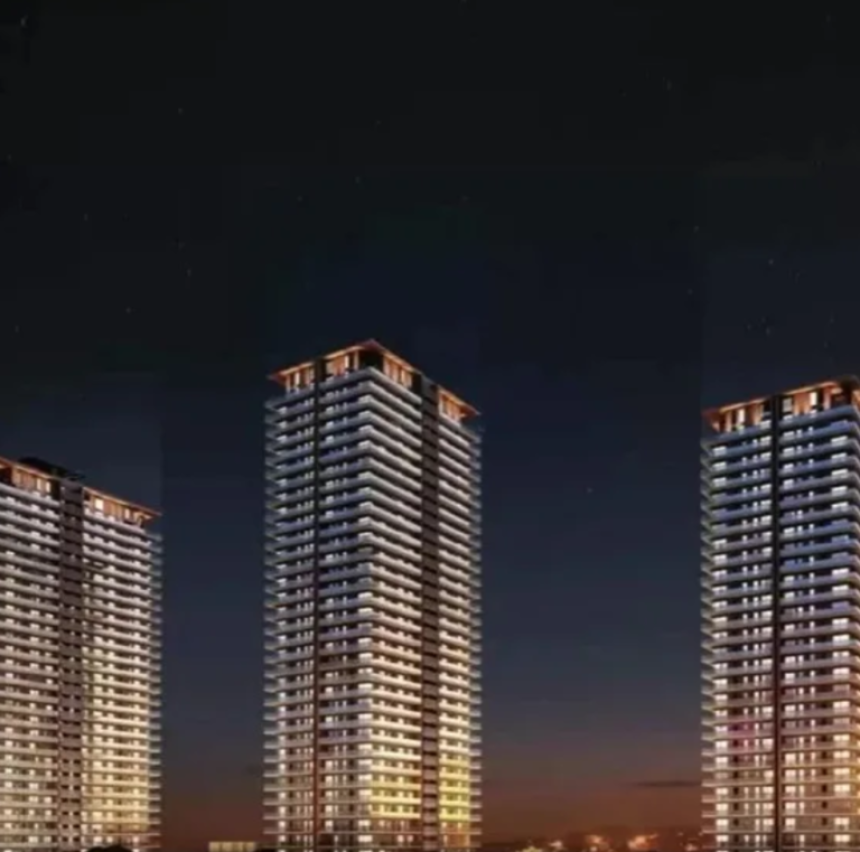
Discover the Perfect 3 BHK Apartment at Mahindra Luminare Phase 2, Gur...