
How Smart City Projects Are Transforming Real Estate in Gujarat
In recent years, smart city development has become one of the most important drivers of urban growth in India. Gujarat has been at the forefront of this transformation, with several cities being developed under modern urban planning initiatives. These projects focus on improved infrastructure, advanced technology, sustainable living, and better public services. As a result, smart city projects are significantly reshaping the real estate market in Gujarat. Cities like Ahmedabad, Surat, Vadodara, and Rajkot are witnessing increased demand for residential, commercial, and mixed-use developments.
Improved Urban Infrastructure
One of the biggest impacts of smart city projects is the development of modern infrastructure. These projects focus on upgrading roads, public transport systems, water supply networks, drainage systems, and digital connectivity.
Improved infrastructure makes cities more accessible and comfortable to live in, which increases the demand for housing and commercial properties. Areas that were previously underdeveloped often experience rapid property value appreciation once infrastructure improvements are introduced.
Better Connectivity and Transportation
Smart city initiatives prioritize efficient transportation systems. This includes improved road networks, public transport facilities, and traffic management systems.
Better connectivity helps reduce travel time and makes residential areas more attractive for homebuyers. For example, improved transportation networks in cities like Ahmedabad and Surat have encouraged real estate development in suburban and newly developing areas.
As commuting becomes easier, people are more willing to invest in properties located slightly away from crowded city centers.
Growth of Modern Residential Projects
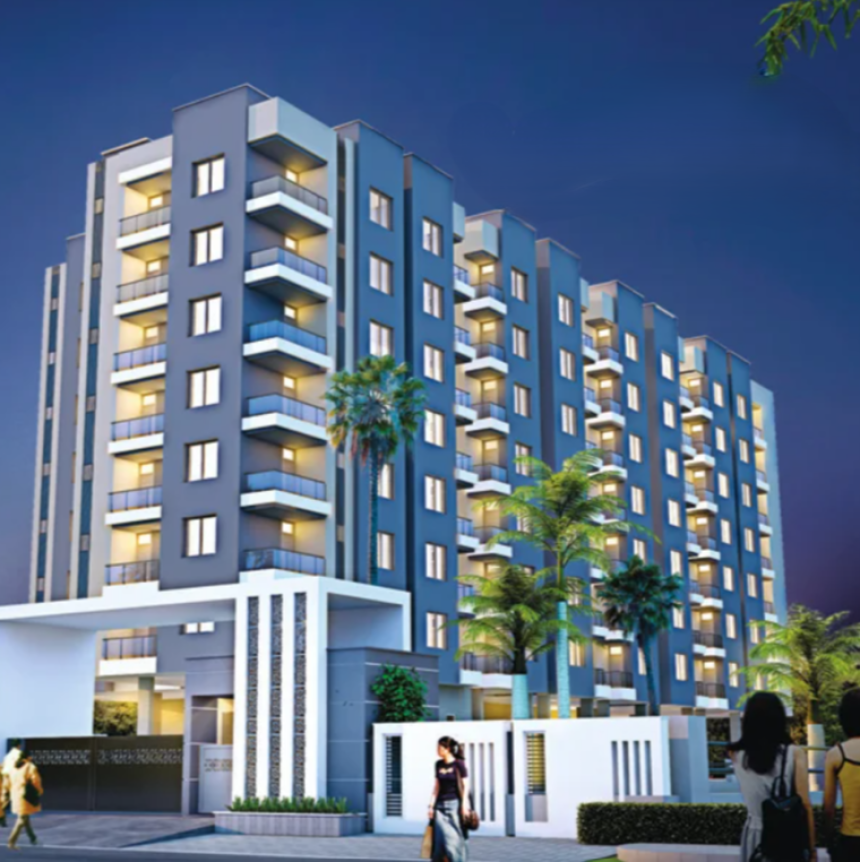
Smart city developments encourage the construction of modern residential communities that offer advanced amenities and improved living standards.
Developers are increasingly focusing on projects that include:
- Smart home technologies
- Energy-efficient buildings
- Gated communities with security systems
- Parks, green spaces, and recreational areas
- Integrated townships with lifestyle amenities
These features attract homebuyers looking for comfortable and technologically advanced living environments.
Expansion of Commercial and Business Districts
Smart city projects also support the growth of commercial infrastructure such as office spaces, business parks, retail centers, and co-working spaces.
Improved infrastructure and connectivity attract companies, startups, and multinational businesses. This increases the demand for commercial properties and office spaces in key urban areas.
Cities like Ahmedabad and Surat have seen rising demand for modern commercial complexes as business activity continues to expand.
Rise in Property Values
Infrastructure development and urban modernization often lead to higher property values. When a city receives smart city investments, the surrounding areas typically experience increased real estate demand.
Improved facilities, better transportation, and modern urban planning make these locations more desirable for both homebuyers and investors.
As a result, property prices and rental demand often increase over time.
Promotion of Sustainable and Green Development
Sustainability is a major focus of smart city projects. Many developments include eco-friendly features designed to reduce environmental impact and promote responsible urban growth.
Examples include:
- Rainwater harvesting systems
- Solar energy installations
- Energy-efficient lighting and appliances
- Waste management and recycling systems
- Green building practices
These environmentally responsible initiatives make cities healthier and more sustainable for long-term living.
Increased Investment Opportunities
Smart city initiatives have created significant investment opportunities in Gujarat’s real estate market. Investors are increasingly interested in areas that are part of major urban development plans because these locations often experience strong growth.
Residential apartments, commercial spaces, and mixed-use developments in smart city regions can offer attractive returns due to rising demand and improved infrastructure.
Growth of Integrated Townships
Smart city planning often encourages the development of integrated townships where residential, commercial, and recreational facilities exist within a single community.
These townships offer a self-sufficient lifestyle with access to schools, healthcare facilities, shopping centers, parks, and entertainment options. As a result, many homebuyers prefer these developments over traditional housing areas.
Commercial Property: What It Is & How to Invest in 2026
Commercial property has become one of the most attractive investment options for individua...




Pacifica The Meadows – 3 and 4 BHK Independent Houses and Villas in Ah...