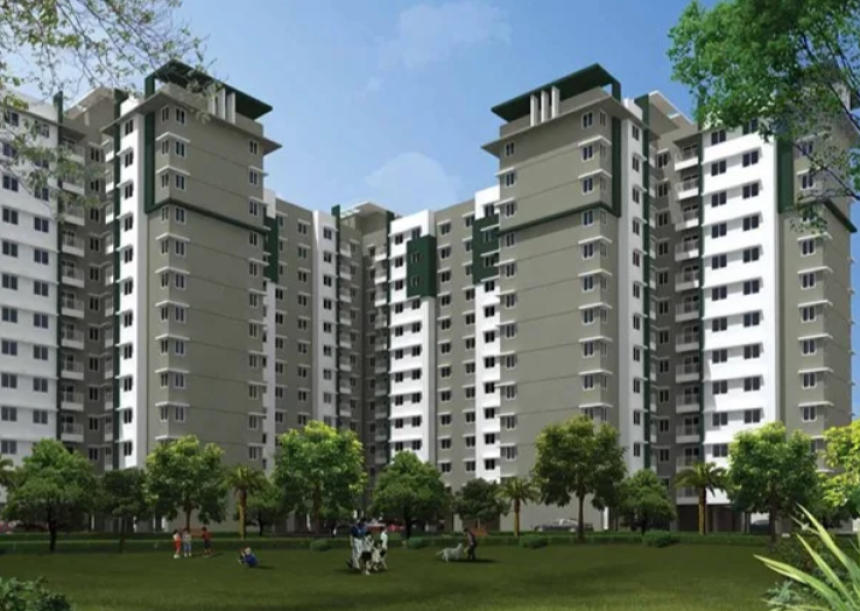
How to Evaluate the Resale Value of a Property
When purchasing real estate, most buyers focus on current price and location, but an equally important factor is the property’s future resale value. Resale value determines how much profit or return you may receive when you decide to sell the property later. Evaluating this factor carefully helps buyers make smarter investment decisions and avoid properties that may not appreciate over time.
Location and Neighborhood Development
Location is the most significant factor influencing a property's resale value. Properties located in well-developed areas with good infrastructure, transportation, schools, hospitals, and shopping centers tend to maintain strong demand.
Buyers should also look at upcoming infrastructure projects such as highways, metro lines, business districts, and commercial developments. These improvements can significantly increase property value in the future.
Connectivity and Accessibility
Easy connectivity to major roads, public transportation, and employment hubs increases the attractiveness of a property. Homes located near business centers, industrial zones, or IT parks often have higher resale demand because they reduce commuting time for residents.
Good accessibility also makes properties appealing to a larger group of potential buyers.
Quality of Construction
Construction quality plays a major role in determining how well a property holds its value over time. Buildings constructed with high-quality materials and good architectural design tend to age better and require less maintenance.
Properties with strong structural quality and proper finishing remain attractive to buyers even after several years.
Builder Reputation
The reputation of the developer can also influence resale value. Projects developed by well-known builders often attract higher demand in the resale market because buyers trust their construction standards and project management.
A recognized developer name can sometimes add premium value to a property.
Property Age and Maintenance
The age of the property affects its resale potential. Newer properties usually attract more buyers because they require fewer repairs and offer modern designs and amenities.
However, older properties that are well maintained and located in prime areas can still have strong resale value. Regular maintenance, renovations, and upgrades can help maintain property appeal.
Amenities and Lifestyle Features
Modern homebuyers often look for amenities such as security systems, parking spaces, recreational facilities, gardens, and community spaces. Properties that offer these features generally have higher demand in the resale market.
Projects with modern amenities tend to attract younger buyers and families seeking a better lifestyle.
Demand and Supply in the Area
Understanding the demand and supply of properties in a particular area is essential. Locations with high demand and limited supply usually experience better price appreciation and resale opportunities.
Buyers should analyze local property trends and sales activity to determine whether the area is experiencing growth.
Rental Potential
Properties that offer good rental income often have higher resale demand. Investors prefer properties that can generate regular rental returns while waiting for capital appreciation.
Locations near educational institutions, business districts, and commercial hubs usually provide better rental potential.
Market Trends and Appreciation History
Studying past property price trends can provide valuable insights into future resale potential. Areas that have shown consistent price growth over several years are more likely to continue performing well.
Buyers should analyze historical appreciation rates and future development plans before making an investment.