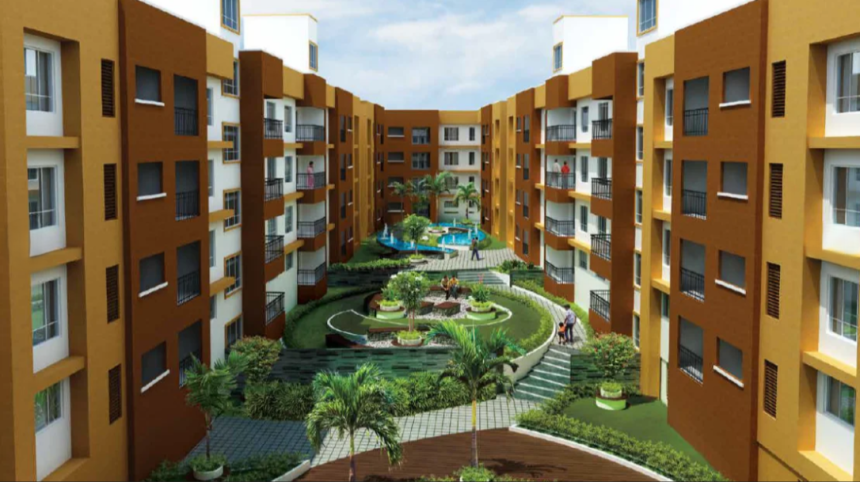
Is Investing in Under Construction Flats Beneficial?
Buying an under-construction flat is a popular choice among homebuyers and investors in India. The primary reason? Lower entry prices and flexible payment options. However, like any real estate decision, it comes with both advantages and risks. If you’re considering this investment route in 2026, here’s everything you need to know.
What Is an Under Construction Flat?
An under-construction flat is a residential property that is still being built and has not yet received completion or occupancy certification. Buyers typically invest during early construction phases to benefit from lower prices.
Benefits of Investing in Under Construction Flats
1. Lower Purchase PriceUnder-construction flats are generally priced 10–30% lower than ready-to-move properties in the same area. Early-stage buyers often enjoy pre-launch offers and promotional pricing.
This lower entry cost increases potential appreciation by the time the project is completed.
2. Higher Appreciation Potential
As construction progresses and infrastructure develops, property values usually increase. Investing early in developing areas of cities like Ahmedabad, Pune, or Hyderabad can generate strong returns over 3–5 years.
3. Flexible Payment Plans
Builders often offer construction-linked payment plans. This means you pay in phases based on project progress rather than paying the full amount upfront.
This structure reduces immediate financial pressure.
4. Customization Options
When buying early, you may have flexibility in:
- Choosing preferred floor and view
- Selecting layout variations
- Minor interior modifications
- Upgrading fittings or finishes
Ready properties rarely offer such personalization.
5. Modern Amenities & Updated Design
Under-construction projects are usually aligned with current architectural trends, offering:
- Smart home features
- Energy-efficient systems
- Contemporary layouts
- Lifestyle amenities like clubhouses and co-working spaces
You’re essentially investing in future-ready living.
Risks of Investing in Under Construction Flats
1. Project DelaysConstruction delays are one of the biggest concerns. Delays can impact your rental income plans or shift your possession timeline.
Even with regulations like the Real Estate Regulatory Authority, buyers should verify project approvals and timelines carefully.
2. Developer Reliability
The builder’s reputation is crucial. Financial issues, legal complications, or poor project management can affect delivery.
Always check past project performance and market reputation.
3. Double Financial Burden
If you’re currently living on rent and paying EMI for an under-construction flat, you may face dual expenses until possession.
4. Market Fluctuations
Real estate markets can change. If demand weakens or supply increases, appreciation may be slower than expected.
When Is It a Good Idea to Invest?
Investing in under-construction flats is beneficial when:
- The project is RERA-approved
- The developer has a strong track record
- The location shows infrastructure growth potential
- You are investing for long-term appreciation
- You are financially prepared for delayed possession scenarios
Investment Strategy for 2026
In 2026, under-construction investments are particularly attractive in:
- Emerging suburban corridors
- Areas near metro expansion projects
- Smart city development zones
- Upcoming commercial hubs
Early entry in growth corridors can significantly improve returns.
Final Verdict: Is It Beneficial?
Yes — investing in under-construction flats can be highly beneficial if done carefully.
It offers:
- Lower purchase cost
- Higher appreciation potential
- Flexible payments
- Modern amenities
However, due diligence is essential. Evaluate the builder’s credibility, verify approvals, study the location’s growth prospects, and ensure your financial stability.
If your goal is long-term wealth creation and you’re comfortable with moderate risk, under-construction flats can be a smart investment move.