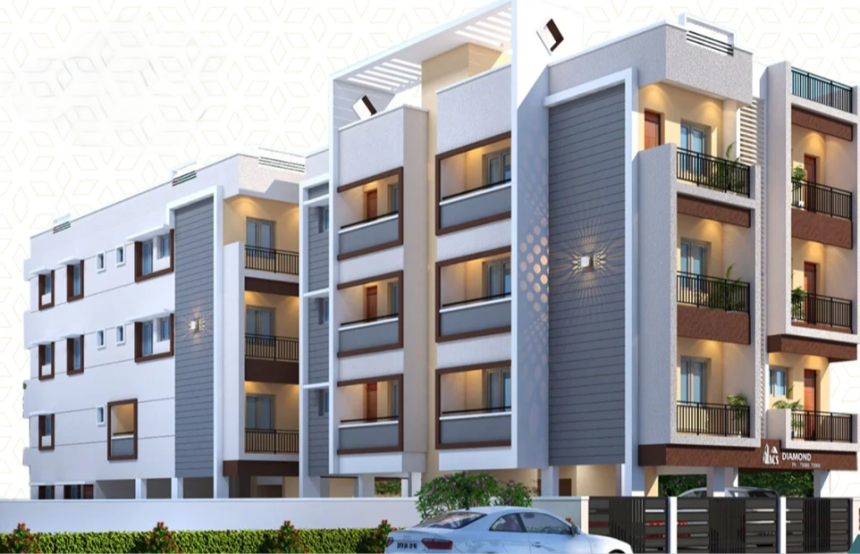
Pros and Cons of Buying a Home in 2026
Buying a home in 2026 continues to be one of the most significant financial decisions a person can make. With changing interest rates, evolving real estate trends, and shifting lifestyle preferences, understanding the advantages and disadvantages of homeownership is crucial before making a purchase. Here’s a detailed look at the pros and cons of buying in 2026.
✅ Pros of Buying a Home
1. Building Long-Term Wealth
Purchasing a property allows you to build equity over time. As property values appreciate, your investment can grow significantly, offering long-term financial benefits.
2. Stability and SecurityOwning a home provides stability. You are not subject to rent increases or lease termination, giving you control over your living situation.
3. Freedom to CustomizeHomeowners can renovate, remodel, or design their property to suit personal tastes and lifestyle needs, which is often restricted in rental properties.
4. Tax BenefitsMany governments offer tax deductions on home loan interest and principal repayment, reducing your overall tax burden and making homeownership financially attractive.
5. Protection Against Rising RentsWith rental prices increasing in many cities, owning a property locks in monthly housing costs and can save money over time.
6. Sense of Ownership and PrideOwning a home brings emotional satisfaction and a sense of accomplishment, contributing to long-term stability and community belonging.
❌ Cons of Buying a Home
1. High Upfront CostsPurchasing a home requires a significant down payment, registration fees, legal charges, and other costs, which can be a barrier for many buyers.
2. Maintenance ResponsibilitiesHomeowners are responsible for repairs, maintenance, property taxes, and insurance, which can add ongoing costs and unexpected expenses.
3. Less FlexibilityOwning a home reduces mobility. Relocating for a job or personal reasons can be more complicated than if you were renting.
4. Market RisksProperty values can fluctuate due to economic conditions, location, or regulatory changes. A home purchased today may not appreciate as expected, posing investment risks.
5. Long-Term CommitmentBuying a home is a long-term financial commitment, often spanning 15–30 years for mortgage repayment. This may not suit people with uncertain career or lifestyle plans.
Considerations
Before buying a home in 2026, consider:
- Current interest rates and loan availability
- Local real estate market trends and property appreciation potential
- Your long-term career and lifestyle plans
- Maintenance costs and property taxes
- Affordability and emergency savings
If you plan to stay in a location for several years and have stable finances, buying a home can be a strategic way to build wealth. However, if you require flexibility or face financial uncertainty, renting may be the better option.
Conclusion
Buying a home in 2026 offers numerous benefits, including wealth creation, stability, and the freedom to customize your living space. However, it also comes with responsibilities, costs, and risks that need careful evaluation.
The decision to buy should be guided by financial readiness, lifestyle goals, and local market conditions. When done thoughtfully, purchasing a home can be one of the most rewarding investments in your life.

Sri Balaji Pride – Premium 3 BHK Villas in Mangalore for Luxurious Liv...
Upcoming Developments That Could Boost Property Values in India
When it comes to real estate, infrastructure is one of the key drivers of property value a...