Residential vs Commercial Rental – Which Is Better?
Rental real estate is a popular way to generate passive income, but investors often face a key decision: Should you invest in residential rental or commercial rental property? Both options offer different returns, risks, and investment requirements. Here’s a detailed comparison to help you choose the right strategy in 2026.
What Is Residential Rental?
Residential rental includes:
- Apartments (1, 2, 3 BHK)
- Villas or independent houses
- Studio apartments
Tenants are typically families, students, or working professionals.
Advantages of Residential Rental
1. Lower Investment Cost
Residential properties require less capital compared to commercial assets.
2. Consistent Demand
Housing is a basic need, ensuring steady tenant demand even during market slowdowns.
3. Lower Risk and Easier Management
- Easier to find tenants
- Short vacancy periods in good locations
- Simpler legal and maintenance processes
4. Easier Loan Availability
Banks offer home loans at lower interest rates for residential properties.
Limitations of Residential Rental
- Rental yield is relatively low (typically 2–4%)
- Tenants may change frequently
- Rent increases are gradual
What Is Commercial Rental?
Commercial rental includes:
- Office spaces
- Retail shops
- Showrooms
- Warehouses
Tenants are businesses or companies.
Advantages of Commercial Rental
1. Higher Rental Yield
Commercial properties typically offer 6–10% rental returns, significantly higher than residential.
2. Long-Term Lease Agreements
Businesses usually sign multi-year leases, ensuring stable income.
3. Tenants Handle Interiors and Maintenance
Commercial tenants often invest in their own setup, reducing owner expenses.
Limitations of Commercial Rental
- Higher initial investment
- Longer vacancy periods if tenant leaves
- Market demand depends on business activity and location
- Higher risk during economic slowdowns
Residential vs Commercial – Quick Comparison
Residential vs Commercial – Quick Comparison
Investment Amount:
Residential – Low to Moderate
Commercial – High
Rental Yield:
Residential – 2% to 4%
Commercial – 6% to 10%
Risk Level:
Residential – Low
Commercial – Moderate to High
Vacancy Risk:
Residential – Low
Commercial – Higher
Tenant Stability:
Residential – Moderate
Commercial – High (long-term leases)
Loan Availability:
Residential – Easy
Commercial – Limited or Higher Interest Rates
Which One Should You Choose?
Choose Residential Rental if:
- You are a first-time investor
- You prefer lower risk and steady demand
- You have a limited budget
- You want easier financing
Choose Commercial Rental if:
- You want higher rental returns
- You have a higher investment capacity
- You can handle longer vacancy risks
- The property is in a prime business location
Market Trend in 2026
- Residential rentals remain the safest and most stable option, especially near IT hubs and metro corridors.
- Commercial rentals are growing in demand in prime business districts and retail zones, offering higher yields for experienced investors.
Final Thoughts
Both residential and commercial rentals can be profitable, but the right choice depends on your budget, risk tolerance, and income goals. For beginners, residential rental offers stability and ease. For investors seeking higher returns and willing to take moderate risk, commercial property can deliver stronger income.
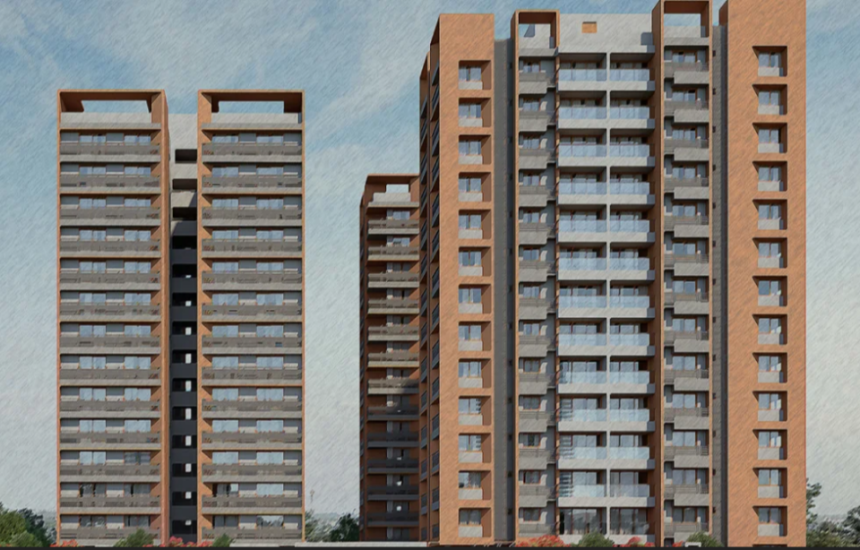


Goyal Aakash Homes – 1 and 2 BHK Apartments in Ahmedabad for Smart Cit...