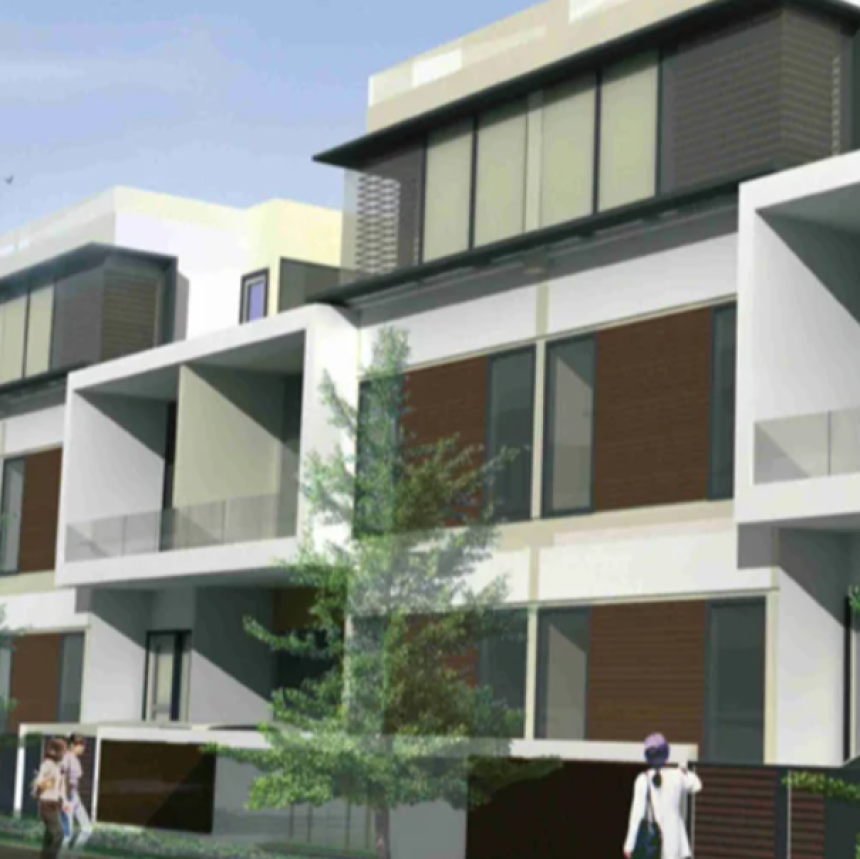
Should You Buy Property in a New Development or an Established Neighborhood?
When buying a property, choosing between a new development and an established neighborhood depends on your budget, investment goals, and lifestyle preferences. Let’s compare both options:
Buying Property: New Development vs. Established Neighborhood
When buying a property, choosing between a new development and an established neighborhood depends on your budget, investment goals, and lifestyle preferences. Let’s compare both options:
1️⃣ Buying in a New Development (Under-Construction or Newly Built Homes)
🟢 Pros:
✔ Modern Amenities: New homes come with advanced infrastructure, smart home features, and energy-efficient designs. ✔ Lower Maintenance Costs: Everything is brand new, reducing repair expenses. ✔ Customization Options: Many developers offer customization in design, flooring, and layouts. ✔ Better Financing Offers: Builders often provide flexible payment plans, discounts, and lower initial costs. ✔ Higher Appreciation Potential: If the area develops well, property values can rise significantly.
🔴 Cons:
❌ Uncertain Neighborhood Development: Schools, hospitals, and transport facilities may take years to develop. ❌ Delays in Possession: Some builders delay projects, causing financial stress. ❌ Lower Resale Value Initially: Since many buyers purchase directly from the builder, resale demand may be low at first.
2️⃣ Buying in an Established Neighborhood
🟢 Pros:
✔ Developed Infrastructure: Schools, hospitals, public transport, and markets are already in place. ✔ Stable Property Values: Less risk of price fluctuations compared to new developments. ✔ Better Resale & Rental Demand: Investors can generate steady rental income from existing tenants. ✔ Immediate Possession: No waiting for construction delays—move in or rent out immediately.
🔴 Cons:
❌ Higher Prices: Well-developed locations have premium property rates. ❌ Higher Maintenance Costs: Older buildings may require frequent repairs. ❌ Limited Customization: You may need renovation to modernize the space.
🔥 Final Recommendation
✅ Buy in a New Development if you want lower prices, modern amenities, and long-term appreciation. ✅ Buy in an Established Neighborhood if you prefer stability, convenience, and immediate returns. ✅ For Investment: A new development may offer better long-term gains, while an established area provides reliable rental income.

How Smart City Projects Are Transforming Surat Real Estate
Over the past decade, Surat has quietly emerged as one of India’s most progressive urban c...


Best Areas to Live in Kolkata in 2026
Kolkata, often called the cultural capital of India, offers a diverse mix of neighborhoods...