
Smart City Projects and Their Impact on Gujarat Property Market
Gujarat has been at the forefront of urban development in India, with several cities participating in the Smart Cities Mission and other large-scale infrastructure initiatives. These smart city projects focus on advanced infrastructure, sustainable development, digital governance, and improved quality of life. As a result, they are transforming the state’s urban landscape and significantly influencing the real estate market. Cities such as Ahmedabad, Gandhinagar, Rajkot, and emerging hubs like GIFT City are experiencing rapid development due to these projects. This transformation is creating new opportunities for property investors, homebuyers, and real estate developers across Gujarat.
What Are Smart City Projects?
Smart city projects aim to develop cities using technology, modern infrastructure, and efficient urban planning. These projects focus on improving transportation, digital connectivity, waste management, water supply, energy efficiency, and public services.
In Gujarat, smart city initiatives include improved road networks, metro connectivity, smart surveillance systems, modern housing developments, and eco-friendly infrastructure. These improvements create more organized and livable urban environments.
Rise of GIFT City as a Global Financial Hub
One of the most prominent smart city projects in Gujarat is Gujarat International Finance Tec-City (GIFT City). It is India’s first operational greenfield smart city designed as an international financial services hub.
GIFT City has attracted hundreds of global companies, financial institutions, and technology firms. The city’s special economic zone status and modern infrastructure have created strong demand for both commercial and residential real estate.
Real estate prices in the area have increased significantly due to rising demand. In fact, residential apartment prices in GIFT City have reportedly risen by around 30% to 35% within a short period, highlighting the strong investment potential.
Infrastructure Development Boosting Property Demand
Smart city projects focus heavily on infrastructure improvements, which directly influence real estate growth. New highways, metro rail networks, bridges, and urban transport systems improve connectivity between different parts of the city.
For example, improved metro connectivity between Ahmedabad and GIFT City has made commuting easier for professionals working in the financial district. Such developments increase the attractiveness of nearby residential areas and boost property values.
Better infrastructure also encourages developers to launch new residential projects, commercial complexes, and mixed-use developments.
Growth of Residential Real Estate
Smart city initiatives often lead to the development of modern residential communities. These communities include better urban planning, green spaces, smart security systems, and modern amenities.
As cities become more organized and technologically advanced, homebuyers prefer living in these well-planned urban areas. This increases the demand for apartments, villas, and gated communities.
The availability of modern housing combined with improved public services makes smart cities attractive for families, professionals, and investors.
Increase in Commercial and Business Opportunities
Smart cities attract businesses due to their advanced infrastructure and business-friendly environment. As companies establish offices in these cities, the demand for commercial spaces increases significantly.
Business districts, IT parks, financial hubs, and retail spaces develop rapidly in smart cities. This growth creates strong opportunities for investors interested in commercial real estate.
The presence of multinational companies and startups also increases employment opportunities, which further drives housing demand.
Emerging Investment Zones Around Smart Cities
Smart city projects often lead to the development of surrounding areas. As the main city expands, nearby localities begin to experience rapid growth in residential and commercial construction.
For example, areas around Gandhinagar, Ahmedabad, and Rajkot are seeing increasing interest from developers and investors due to smart city initiatives and improved connectivity.
Investors who purchase property in these developing areas often benefit from long-term price appreciation as the city expands.
Long-Term Impact on the Gujarat Property Market
Smart city projects are creating a long-term positive impact on Gujarat’s real estate sector. Improved infrastructure, better urban planning, and increased economic activity are strengthening the state’s property market.
Ahmedabad alone has seen strong real estate demand, contributing a significant share of residential property sales in India due to ongoing infrastructure development and economic growth.
These developments are attracting both domestic and international investors who see Gujarat as a stable and growing real estate destination.
The Rise of Co-Living and Co-Working Spaces in India
I will gather the latest insights and trends about the Rise of Co-Living and Co-Working Sp...

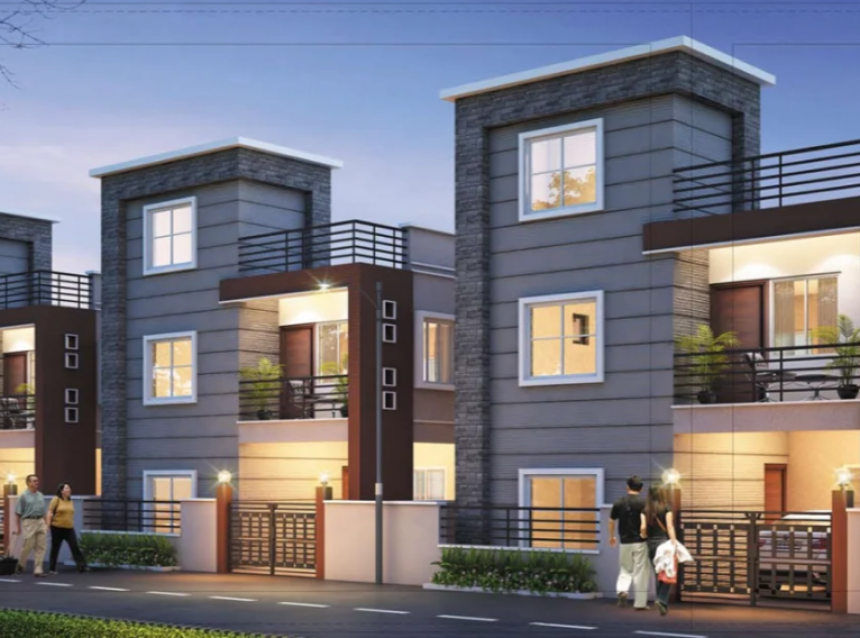


Savan Surface: Experience Resort Living with 3 BHK Luxurious Flats
In a world where peace, comfort, and luxury are often elusive, Savan Surface offers a trul...
