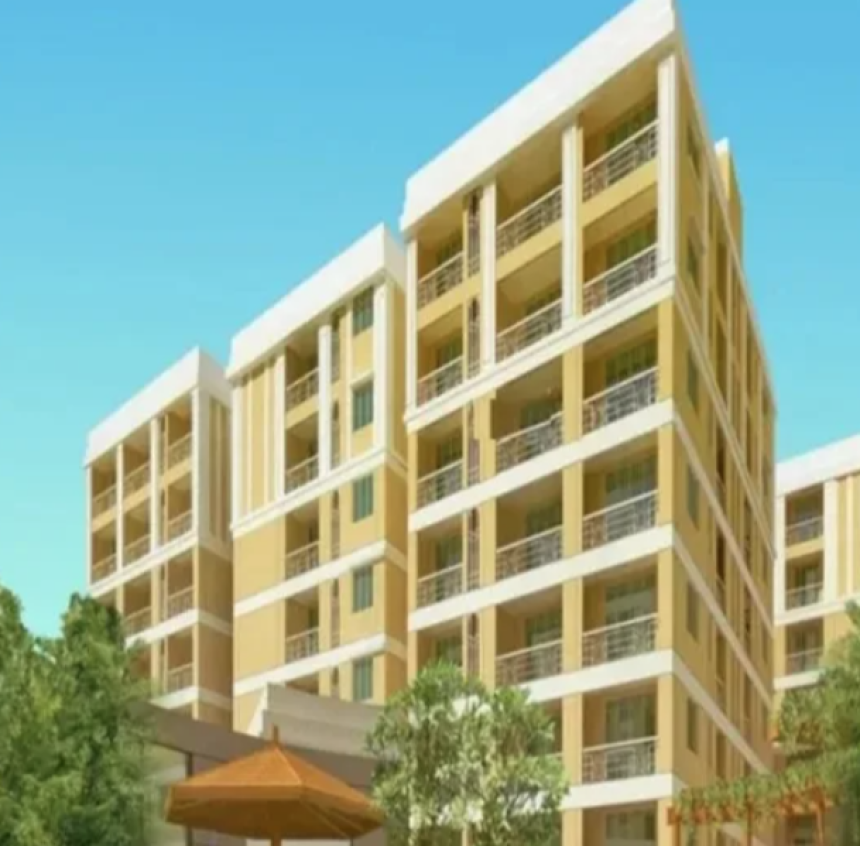
The Future of Real Estate in India: Trends to Watch in 2026
India’s real estate sector is entering a transformative phase in 2026. After years of regulatory reforms, digital adoption, and evolving buyer preferences, the market is becoming more transparent, tech-driven, and investment-focused. From smart homes to sustainable housing and rising Tier-2 cities, here’s a deep dive into the key trends shaping the future of real estate in India.
Continued Growth in Residential Demand
Residential real estate remains the backbone of India’s property market. With increasing urbanization, rising disposable incomes, and a growing middle class, homeownership continues to be a top priority.
Major metropolitan cities like Mumbai, Delhi-NCR, Bengaluru, Hyderabad, and Pune are witnessing steady demand, especially in mid-income and premium housing segments. At the same time, developers are focusing on larger apartments with better amenities as buyers now prioritize comfort, security, and lifestyle upgrades.
Rise of Tier-2 and Tier-3 Cities
One of the most significant shifts in 2026 is the rapid growth of Tier-2 and Tier-3 cities. Cities such as Ahmedabad, Indore, Lucknow, Coimbatore, and Jaipur are attracting investors and homebuyers due to:
- Lower property prices
- Improved infrastructure
- Better connectivity through highways and airports
- Expansion of IT parks and industrial hubs
Remote and hybrid work models have reduced the need to live in expensive metro cities, making smaller cities highly attractive for long-term investment.
Technology-Driven Real Estate
Technology is reshaping how properties are bought, sold, and managed. In 2026, digital tools are no longer optional—they are essential.
Key tech trends include:
- Virtual property tours
- AI-based property recommendations
- Digital documentation and e-registration
- Data-driven property valuation
- Online booking platforms
PropTech startups are improving transparency, speeding up transactions, and enhancing customer experience.
Smart Homes and Sustainable Living
Modern buyers are increasingly eco-conscious and tech-savvy. Developers are responding by integrating:
- Smart lighting and security systems
- Energy-efficient appliances
- Solar panels
- Rainwater harvesting systems
- Green building certifications
Sustainable and smart homes are no longer luxury features—they are becoming standard expectations, especially among millennials and Gen Z buyers.
Commercial Real Estate Revival
The commercial sector is regaining momentum after the shift to hybrid work models. In 2026:
- Flexible office spaces and co-working hubs are expanding
- Demand for Grade-A office spaces is rising
- Retail spaces in premium locations are seeing renewed interest
- Warehousing and logistics parks are booming due to e-commerce growth
Industrial and logistics real estate is emerging as one of the fastest-growing segments.
Strong Regulatory Framework and Transparency
Reforms introduced through the Real Estate (Regulation and Development) Act (RERA) continue to strengthen buyer confidence. Increased transparency, timely project delivery, and improved accountability are making the sector more reliable for both domestic and international investors.
Growth of Real Estate Investment Trusts (REITs)
Real Estate Investment Trusts are gaining popularity among retail investors. They offer an opportunity to invest in commercial real estate without directly owning property.
In 2026, REIT participation is expected to grow as investors look for stable income-generating assets with lower entry barriers compared to traditional property purchases.
Infrastructure-Led Development
Government infrastructure projects are significantly impacting property values. Metro expansions, expressways, smart city projects, and industrial corridors are creating new real estate hotspots.
Areas near upcoming infrastructure projects often experience price appreciation, making them attractive for early investors.
Luxury Housing Expansion
Luxury real estate is experiencing strong demand in metropolitan cities. High-net-worth individuals and NRIs are investing in premium apartments, gated communities, and branded residences. Features such as private terraces, wellness amenities, and exclusive security are driving this segment.
Affordable Housing Remains Important
While luxury is expanding, affordable housing continues to receive policy support. Government initiatives and tax benefits encourage developers to build budget-friendly homes, keeping the segment stable and essential for mass housing needs.