The Rise of Multigenerational Homes
In recent years, multigenerational homes — where two or more adult generations live under the same roof — are becoming increasingly popular across the globe, and India is no exception. Changing family dynamics, rising property costs, and lifestyle preferences are driving this shift, reshaping both residential design and real estate demand.
👪 What Are Multigenerational Homes?
A multigenerational home typically includes:
- Parents and adult children living together
- Grandparents residing with younger generations
- Separate living spaces within the same property, such as duplexes, in-law suites, or attached apartments
- Shared common areas (kitchen, living room) while maintaining privacy for each family unit
These homes are designed to balance family togetherness with individual privacy.
🏡 Why Multigenerational Homes Are Rising
1. Rising Real Estate CostsAs property prices increase, families are consolidating households to share housing expenses. This trend is particularly noticeable in urban areas where affordability is a major concern.
2. Changing Family DynamicsModern families often want to provide support for aging parents while still living close to adult children. Multigenerational homes make it easier to care for elders, share responsibilities, and foster stronger family bonds.
3. Work-from-Home FlexibilityThe rise of remote work and home-based businesses has made larger homes more practical. Families need dedicated spaces for offices, study areas, and private zones — which multigenerational designs accommodate.
4. Cultural NormsIn many parts of India and Asia, living with extended family is traditional. Multigenerational homes appeal to buyers seeking to combine modern amenities with cultural values.
5. Financial Security and SavingsPooling resources reduces individual expenses, allowing families to invest more in higher-quality homes, renovations, or other assets.
🏢 Design Trends in Multigenerational Homes
Modern multigenerational homes focus on privacy, functionality, and flexibility. Popular design features include:
- Separate master suites or studio apartments for in-laws or adult children
- Dual kitchens or kitchenettes for shared living without conflict
- Multiple bathrooms and storage spaces
- Flexible rooms that can serve as offices, gyms, or study areas
- Private entrances or internal partitions to ensure independence
Architects are increasingly offering customizable layouts that cater to both togetherness and personal space.
📍 Cities Seeing Growth in Multigenerational Housing
- Bengaluru: Demand for larger homes and villas with dual living spaces is rising among IT professionals.
- Mumbai & Pune: Families are investing in larger apartments to accommodate extended households while staying near work hubs.
- Delhi-NCR: Gated communities and townships are offering multigenerational layouts with separate wings and shared amenities.
- Hyderabad & Gurugram: Premium developments are including in-law suites and flexible living spaces to cater to family-centric buyers.
💰 Investment Potential
Multigenerational homes are appealing to developers and investors because:
- Higher Property Values: Larger homes with flexible layouts command premium pricing.
- Faster Demand in Family-Centric Areas: Communities near schools, hospitals, and parks are highly sought after.
- Rental Opportunities: Dual-living homes can be rented partially to tenants, providing additional income.
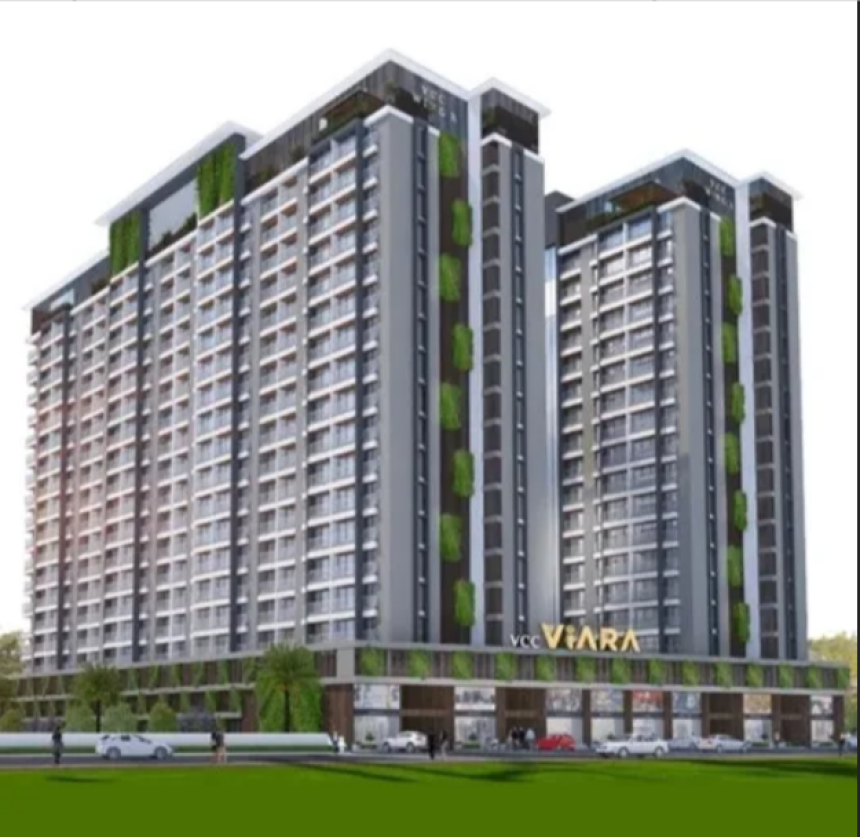

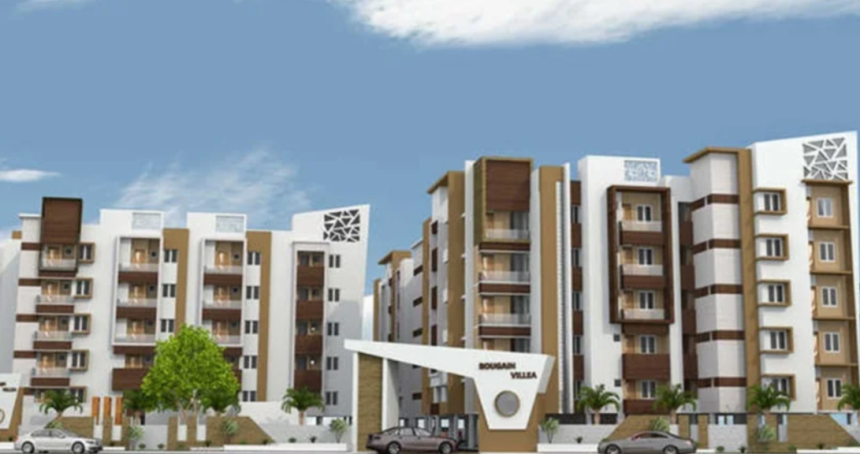
🏢 Greenfields Bougainvillea Apartment – Comfortable 2 BHK Apartments...