
Top Investment Property Types This Year (2026)
Real estate continues to be one of the most resilient asset classes, but not all investment properties perform the same. In 2026, shifting buyer/renter preferences, demographic trends, and economic conditions are reshaping which property types deliver strong returns. Here’s an investor‑focused guide to the top investment property types this year — including why they’re attractive, typical returns, and what to watch before buying.
Build‑to‑Rent (BTR) Single‑Family & Townhome Communities
What it is: Purpose‑built rental communities of houses or attached townhomes designed for long‑term tenancy.
Why it’s hot in 2026:
- Increasing demand from families who want space but prefer renting
- Affordable alternative to homeownership amid higher borrowing costs
- Professional management improves tenant retention
- Often located in growth suburbs with strong job markets
Investor edge: Steady rental income and lower turnover compared with multi‑unit apartments.
Consideration: Requires scale and strong property management systems.
Multi‑Family Apartments
What it is: Buildings with multiple rental units (duplexes to high‑rise complexes).
2026 Trends:
- Resurgence in demand due to rising rentership
- Attractive in cities with growing population and job hubs
- Institutional investors driving development in Class A and B markets
Investor edge:
- Cash flow from multiple units
- Easier financing compared to single houses
- Economies of scale with maintenance and management
Watch out for: Supply increases in some urban cores that could pressure rents short‑term.
Short‑Term & Vacation Rentals
What it is: Properties rented nightly or weekly (e.g., Airbnb‑style).
Why it’s gaining attention:
- Post‑pandemic travel boom continues
- Remote work fuels multi‑week stays
- Experience‑focused travellers fuel strong occupancy
Best suited for:
- Tourist regions
- Areas with limited hotel supply
- Unique or lifestyle‑oriented homes
Investor edge: Higher gross rents compared with long‑term leasing.
Risks: Regulatory limits in some cities; seasonal demand fluctuations.
Mixed‑Use Developments
What it is: Properties that combine residential units with retail, office, or hospitality space.
2026 appeal:
- Walkable “live‑work‑play” environments attract tenants
- Diversified income streams reduce risk
- Popular with younger renters who value convenience
Investor edge: Hedge against single‑sector downturns.
Consideration: Requires expertise in mixed asset classes and management complexity.
Student Housing
What it is: Rental units near colleges and universities.
Why it stays relevant:
- Consistent demand from enrolled students
- Universities expanding enrollment in many regions
- Parental support often ensures rent payment reliability
Investor edge: Predictable occupancy cycles; strong lease conversion potential.
Risk: Dependence on school calendars and enrollment trends.
Senior & Assisted Living Communities
What it is: Housing designed for older adults, ranging from independent living to full care facilities.
2026 drivers:
- Aging global populations
- Preference for community living with health support
- Lower supply relative to growing demand
Investor edge: Longer leases and stable occupancy.
Consideration: Higher operational oversight and specialized compliance requirements.
Industrial & Warehouse Properties
What it is: Logistics, storage facilities, and distribution centers.
Why it’s trending:
- E‑commerce continues to fuel demand
- Just‑in‑time supply chain models require more space
- Proximity to transport hubs increases value
Investor edge: Long‑term leases with corporate tenants; strong yield stability.
Not traditional housing, but relevant: Residential developers and multifamily investors increasingly diversify into industrial for portfolio balance.
Opportunity Zone Properties
What it is: Real estate in federally designated economic zones offering tax incentives.
Investment drivers:
- Capital gains deferral and potential reduction
- Encourages development in underinvested communities
Investor edge: Tax benefits can enhance net returns.
Risk: Requires understanding of strict compliance timelines and reinvestment rules.
Co‑Living & Micro‑Living Spaces
What it is: Shared living environments or compact units with communal amenities.
2026 relevance:
- Appeals to young professionals and remote workers
- Lower monthly rents with social lifestyle value
- Communities designed for flexibility and affordability
Investor edge: Higher density means potentially higher per‑square‑foot returns.
Consideration: Management must be strong to handle shared spaces.
Land & Development Sites
What it is: Raw or entitled land for future development (residential, commercial, or mixed use).
Why it matters:
- Long horizon investors can benefit from city expansion
- Rezoning or infrastructure improvements can spike value
Investor edge: High appreciation potential.
Risk: Carry costs (taxes, holding costs) and development uncertainty.


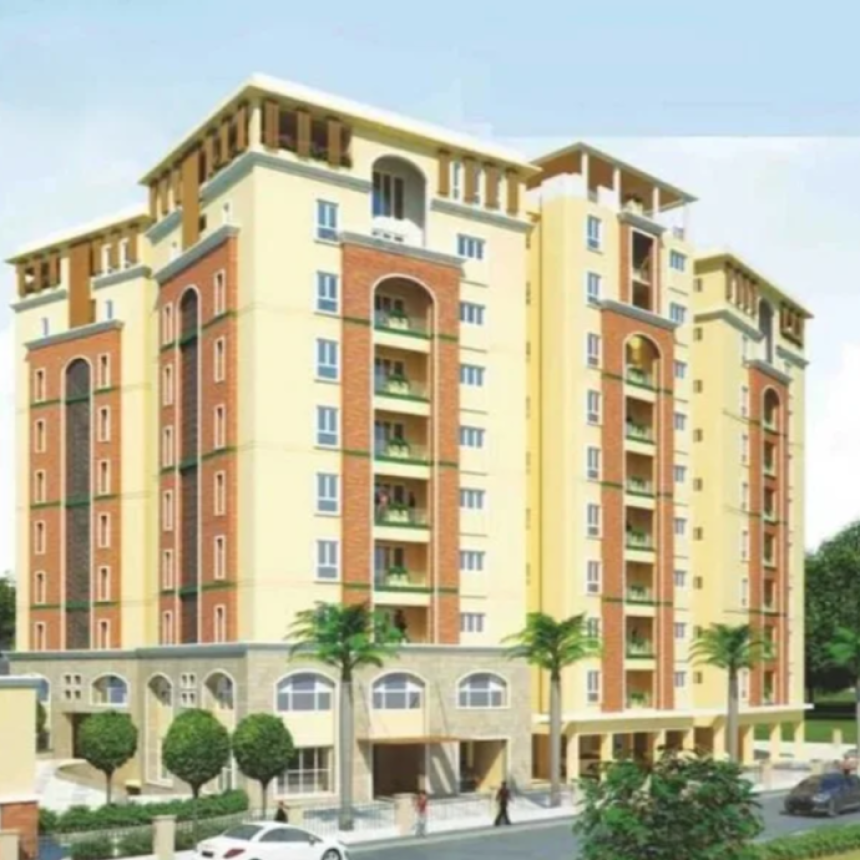
🏢 Sreevatsa Lianca – Elegant 3 & 4 BHK Apartments in Coimbatore’s Pre...




🌟 Krrish Provence Estate – Ultra-Luxury 4 & 5 BHK Residences in Gurga...
