Top Real Estate Trends in 2026 That Are Changing the Way India Lives
The real estate market in 2026 is not just about buying a home—it’s about choosing a lifestyle. From smart homes and green buildings to self-sufficient townships and flexible living spaces, the way people live, work, and invest in property is changing rapidly. Modern homebuyers are smarter, more informed, and more focused on comfort, convenience, and long-term value. Developers are responding by creating innovative housing solutions that combine technology, sustainability, and lifestyle-driven design. Here are the biggest real estate trends in 2026 that are transforming the property market and attracting massive interest from buyers and investors.
Smart Homes Are the New Luxury
Imagine controlling your lights, air conditioning, security cameras, and door locks directly from your smartphone. That’s the power of smart homes, and in 2026 they are becoming one of the most desirable features in modern housing.
Smart homes provide convenience, security, and energy efficiency. With voice assistants, automated lighting, and intelligent temperature control systems, homeowners can manage their living environment effortlessly.
This technology-driven lifestyle is especially popular among young professionals and tech-savvy buyers who want their homes to match their digital lifestyle.
Green Living Is No Longer a Choice—It’s a Priority
Environmental awareness is growing, and homebuyers are now looking for eco-friendly living spaces. Green buildings and sustainable housing projects are becoming one of the fastest-growing trends in real estate.
Modern residential developments are introducing features such as rainwater harvesting, solar power systems, energy-efficient lighting, and large green spaces.
These eco-friendly features not only protect the environment but also reduce electricity bills and create healthier living conditions for residents.
Integrated Townships Are Redefining Urban Living
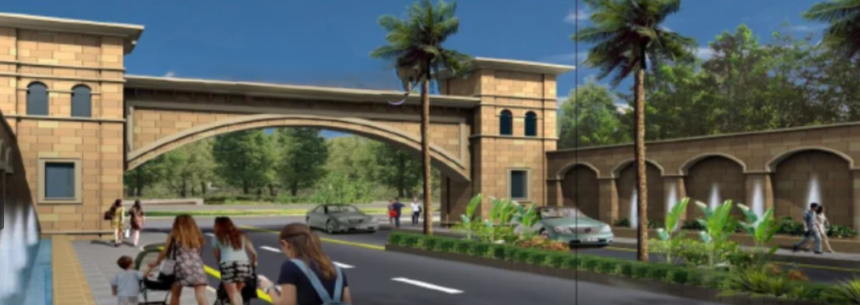
The concept of integrated townships is becoming extremely popular in 2026. These large communities combine residential homes, schools, hospitals, retail stores, parks, and entertainment zones in one location.
Residents can enjoy a complete lifestyle without traveling long distances for daily needs. Everything from grocery shopping to fitness centers and recreational activities is available within the township.
This modern concept of self-sufficient communities is attracting families, professionals, and investors alike.
Suburban Areas Are Becoming the Next Property Hotspots
With improving infrastructure and rising city congestion, suburban areas are quickly becoming the new real estate hotspots.
Buyers are moving away from crowded city centers and choosing locations that offer larger homes, cleaner environments, and better affordability.
Developers are launching modern residential projects in these emerging areas, offering premium amenities at competitive prices. As infrastructure continues to grow, these locations are expected to deliver strong property appreciation in the future.
Lifestyle Amenities Are Driving Homebuying Decisions
Today’s homebuyers are not just looking at square footage—they are looking at lifestyle.
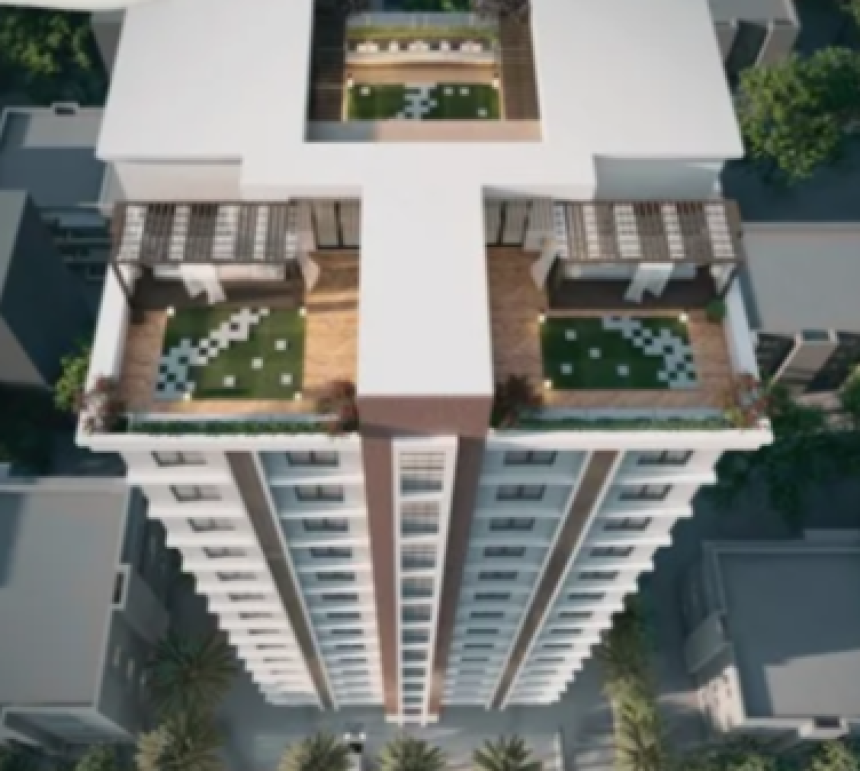
Residential projects in 2026 are focusing heavily on lifestyle amenities such as clubhouses, swimming pools, jogging tracks, sports courts, yoga decks, co-working spaces, and landscaped gardens.
These facilities create vibrant communities where residents can socialize, relax, and maintain a healthy lifestyle.
Real Estate Is Becoming a Smart Investment
Real estate remains one of the most trusted long-term investment options. With rising demand for quality housing and continuous infrastructure development, property investments are attracting both first-time buyers and experienced investors.
Properties located in well-connected areas with modern amenities tend to appreciate faster and generate strong rental demand.
For many investors, real estate continues to offer stability, security, and long-term wealth creation.
The Future of Real Estate Is Lifestyle-Driven
The real estate market in 2026 is no longer just about buildings—it’s about experiences. Buyers are searching for homes that offer comfort, technology, sustainability, and community living.
Developers who focus on innovation, smart infrastructure, and lifestyle-driven projects are shaping the future of urban living.
As these trends continue to grow, the next generation of homes will be smarter, greener, and more connected than ever before.

The Avenue Flora – Luxury 3 & 4 BHK Penthouses and Apartments in Nashi...