
Upcoming Developments That Could Boost Property Values in India
When it comes to real estate, infrastructure is one of the key drivers of property value appreciation. New roads, airports, metro lines, commercial hubs, and logistics corridors can transform entire regions from overlooked suburbs to high‑demand investment zones. In 2026, several major developments across India are poised to reshape housing markets — bringing opportunities for buyers and investors alike.
1. Mega Airport Projects Fuel Growth
Noida International Airport (Jewar)The upcoming international airport near Noida is one of the most transformative projects in the National Capital Region. As this mega aviation hub nears completion, connectivity across Delhi, Noida, Greater Noida, and surrounding areas will significantly improve. Properties near the airport and along major expressways have already begun to appreciate as developers and buyers eye future demand.
Airport‑linked zones typically attract commercial activity, employment hubs, hospitality projects, and residential communities — all of which contribute to rising property values.
🚆 2. Metro and Rapid Transit Expansions
New Metro CorridorsUrban mass transit projects — such as metro extensions in major cities — are powerful value drivers. For example, the recently approved metro extension connecting a major financial hub in Gujarat with nearby suburbs is expected to improve urban connectivity and accelerate local real estate activity, making formerly remote neighbourhoods more desirable.
Similarly, metro expansions in other cities create reliable transit options that attract commuters and residents alike, pushing up demand in adjacent residential clusters.
🚄 3. Regional Rapid Transit and High‑Speed Corridors
Rapid Rail Connectivity ProjectsLarge‑scale transit corridors — such as regional rapid transport systems linking satellite towns with major cities — significantly reduce commute times and redefine commuting patterns. Projects like the regional rail transit corridor connecting metropolitan cores with neighbouring cities are expected to make outlying towns more attractive for residential and commercial development.
These multi‑city rail links often lead to new urban growth corridors, bringing residential developments, offices, and retail centres along the route.
🚗 4. Expressways and Road Networks
Yamuna Expressway and FNG Expressway EnhancementsHigh‑quality highways and expressways are classic catalysts for real estate growth. In the Delhi‑NCR region, expressways like the Yamuna Expressway and Faridabad‑Noida‑Ghaziabad (FNG) Expressway improve regional connectivity, shorten travel times, and open up peripheral areas for development. These road projects have already contributed to land and housing price rises along their corridors, and future extensions will likely continue to support higher valuations.
Major National Expressways
Several long‑distance expressways under construction will also influence multi‑state connectivity and regional expansion. For instance, new expressway projects connecting major cities across states — such as extended corridors linking cities in Uttar Pradesh and West Bengal — are expected to make large tracts of land more attractive for logistics, industrial, and residential uses.
🏙 5. Commercial and Economic Hubs
Data Centres, Industrial Parks, and TownshipsState governments are signing agreements for large commercial developments that can boost local economies and employment — which in turn drives residential demand. For example, multiple memoranda of understanding in the National Capital Region include plans for major theme townships, data centre parks, and logistics hubs. These projects bring jobs and create demand for housing, retail, and offices in their vicinity.
Large‑scale township projects often lead to the creation of entire micro markets — residential pockets that grow rapidly once basic infrastructure and services begin taking shape.
📊 6. Strategic Urban Development Initiatives
Rail‑Landed RedevelopmentsSome infrastructure projects involve using strategic public land for mixed‑use developments. Plans to release and develop railway land for residential and commercial use in major cities — such as in parts of Bengaluru — add to the supply of quality housing and support higher property demand as neighbourhoods become reimagined with new facilities.
🏡 What This Means for Property Buyers & Investors
1. Enhanced Connectivity = Higher Demand
Areas near major transportation projects usually become magnet zones for buyers and renters. Reduced commute times and better access to job centres make properties more attractive.
2. Early Investment Advantage
Localities near under‑construction infrastructure often see price appreciation long before completion — giving early investors a chance at higher future returns.
3. Diversified Growth Beyond Metros
Emerging corridors and regional transit systems are spreading real estate demand to satellite towns and peri‑urban areas that were previously overlooked.

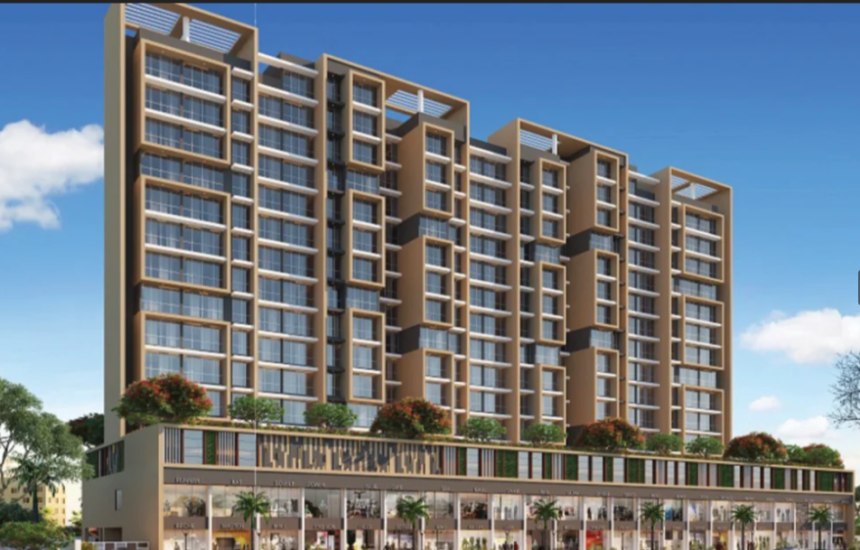

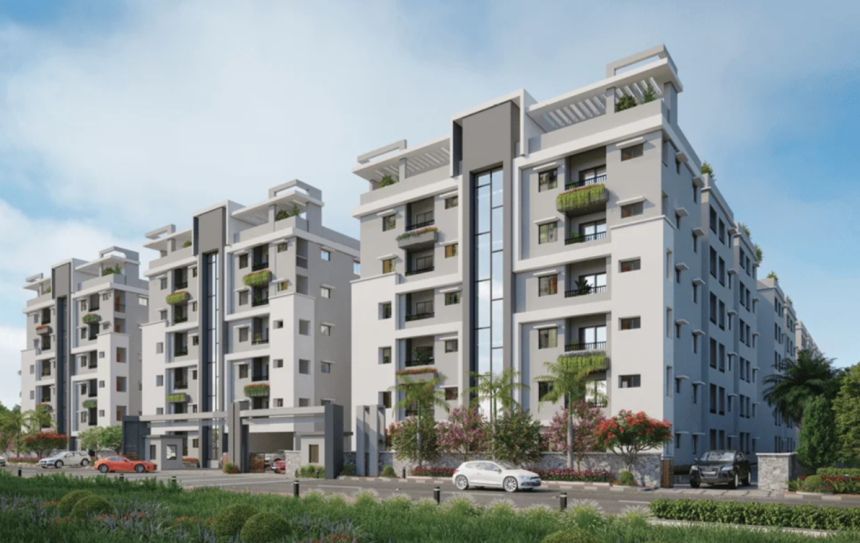
🌊 Abode M J Lakeview – Premium 2 & 3 BHK Apartments in Ameenpur, Hyde...


