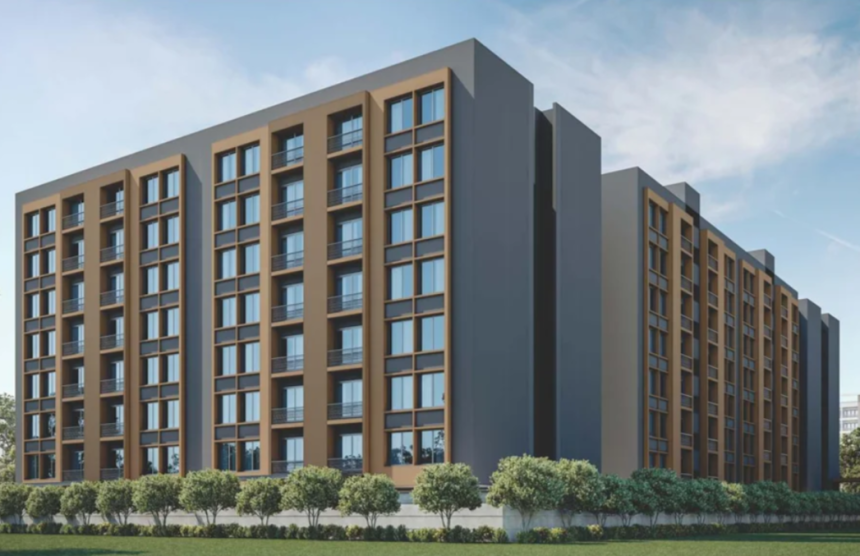
What Is a High Rise Building? Definition, Design, and Features
High rise buildings have become a defining feature of modern city skylines. From residential towers to commercial complexes, these tall structures maximize land use and accommodate growing urban populations efficiently. But what exactly qualifies as a high rise building, and what makes it different from other buildings? Let’s explore the definition, design principles, and key features of high rise buildings.
Definition of a High Rise Building
A high rise building is a multi-story structure that typically includes 7 to 10 floors or more and is equipped with elevators for vertical transportation. However, the exact definition can vary depending on local building codes and regulations.
In major urban centers like Mumbai, Ahmedabad, and New York City, high rise buildings are commonly used for:
- Residential apartments
- Corporate offices
- Hotels
- Mixed-use developments
Buildings that exceed 40–50 floors are often referred to as skyscrapers.
1. Structural Framework
High rise buildings usually rely on:
- Reinforced concrete frames
- Steel frameworks
- Shear walls for lateral stability
- Core structures for elevators and staircases
These systems help distribute loads evenly and maintain stability.
2. Foundation System
Because of their height and weight, high rise buildings require deep and strong foundations, often using pile foundations or raft foundations to support the structure.
3. Vertical Transportation
Elevators are essential in high rise buildings. Many towers use high-speed lifts and sometimes separate service elevators for efficiency.
4. Fire & Safety Design
Strict fire safety regulations apply, including:
- Fire-resistant materials
- Emergency staircases
- Sprinkler systems
- Smoke detectors
- Refuge areas on certain floors
Key Features of High Rise Buildings
High rise buildings offer several distinct features compared to low-rise properties.
1. Space Optimization
They maximize vertical space, making them ideal for densely populated cities.
2. Modern Amenities
Many high rise residential projects include:
- Clubhouses
- Swimming pools
- Gyms
- Landscaped gardens
- Children’s play areas
- Multi-level parking
3. Enhanced Views
Upper floors provide scenic city views and better ventilation.
4. Advanced Security
Most high rise buildings have:
- CCTV surveillance
- Intercom systems
- Gated entry
- Security personnel
5. Energy Efficiency
Modern high rise buildings often incorporate:
- Glass façades for natural lighting
- Energy-efficient HVAC systems
- Rainwater harvesting systems
- Solar panels
Advantages of High Rise Buildings
- Efficient land utilization
- Accommodates large populations
- Offers premium lifestyle amenities
- Strong resale and rental demand in urban areas
- Better security and maintenance systems
Challenges of High Rise Living
- Dependence on elevators
- Higher maintenance costs
- Evacuation challenges during emergencies
- Potential higher temperatures on top floors


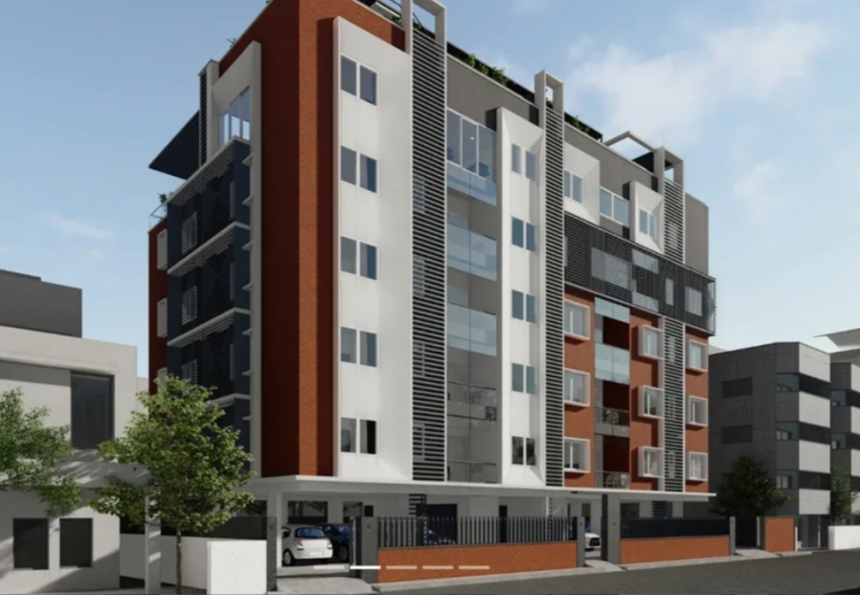
VRKSA Ziya – Modern 2 & 3 BHK Apartments in Coimbatore for Comfortable...